

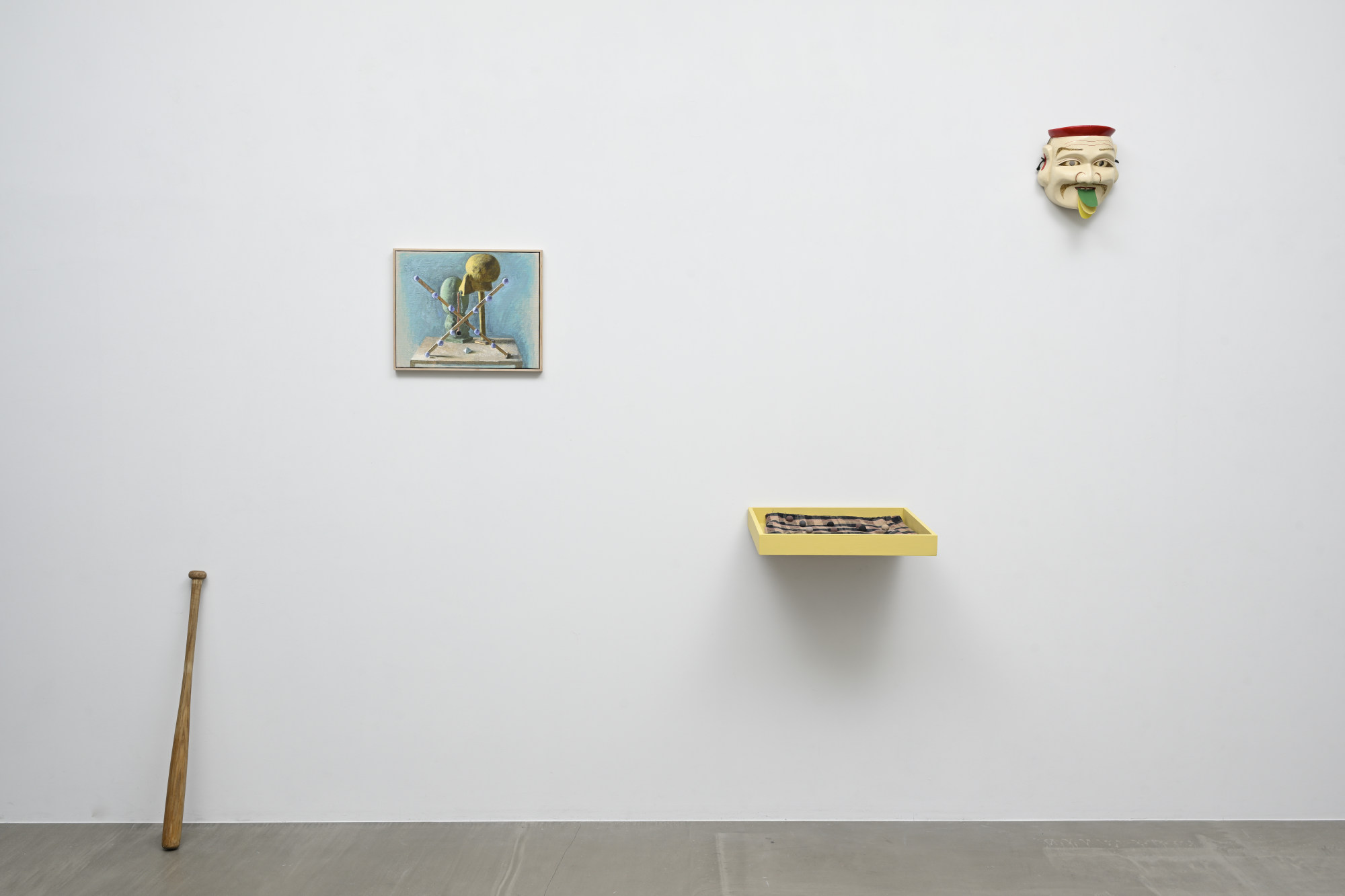
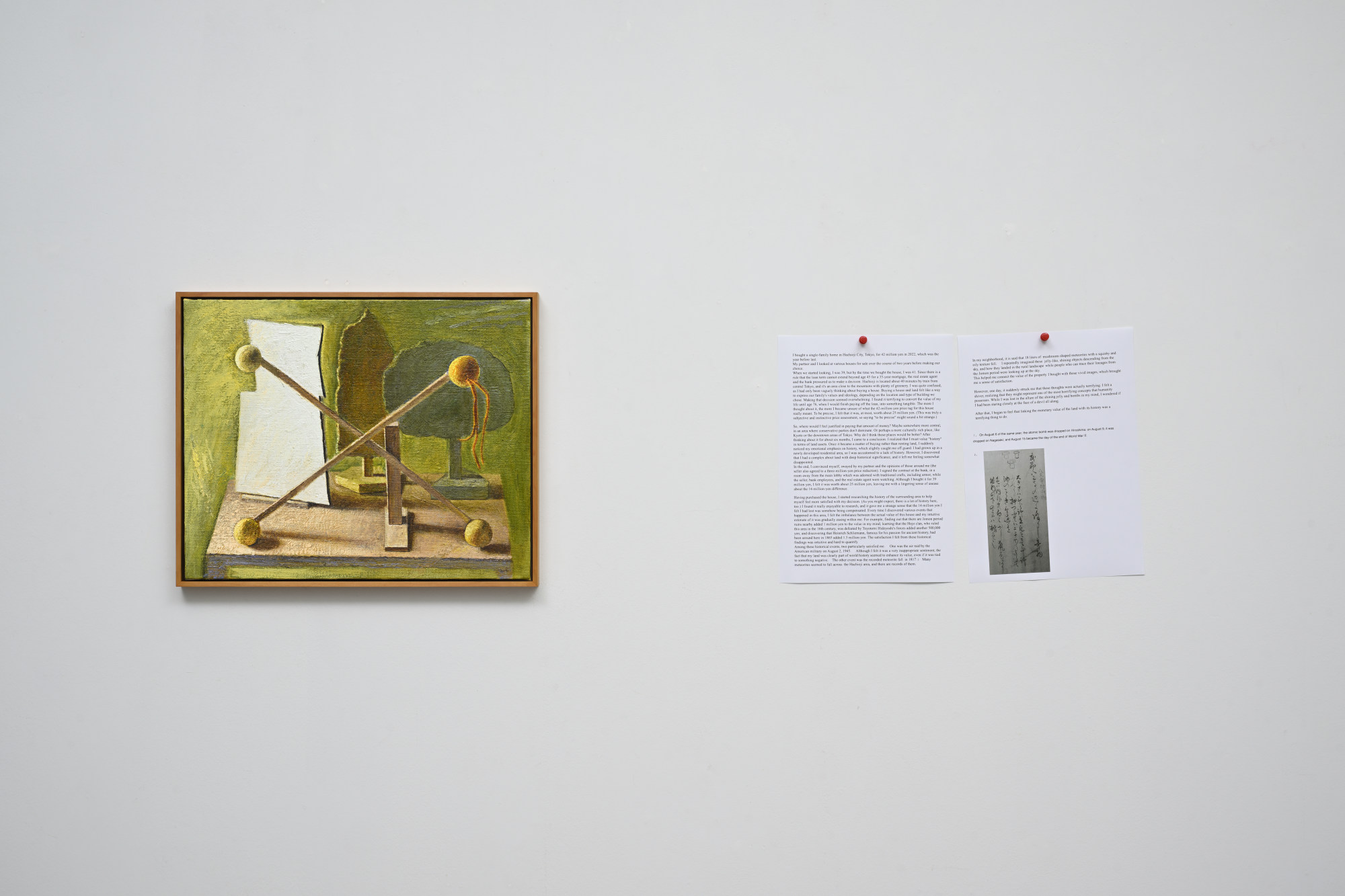
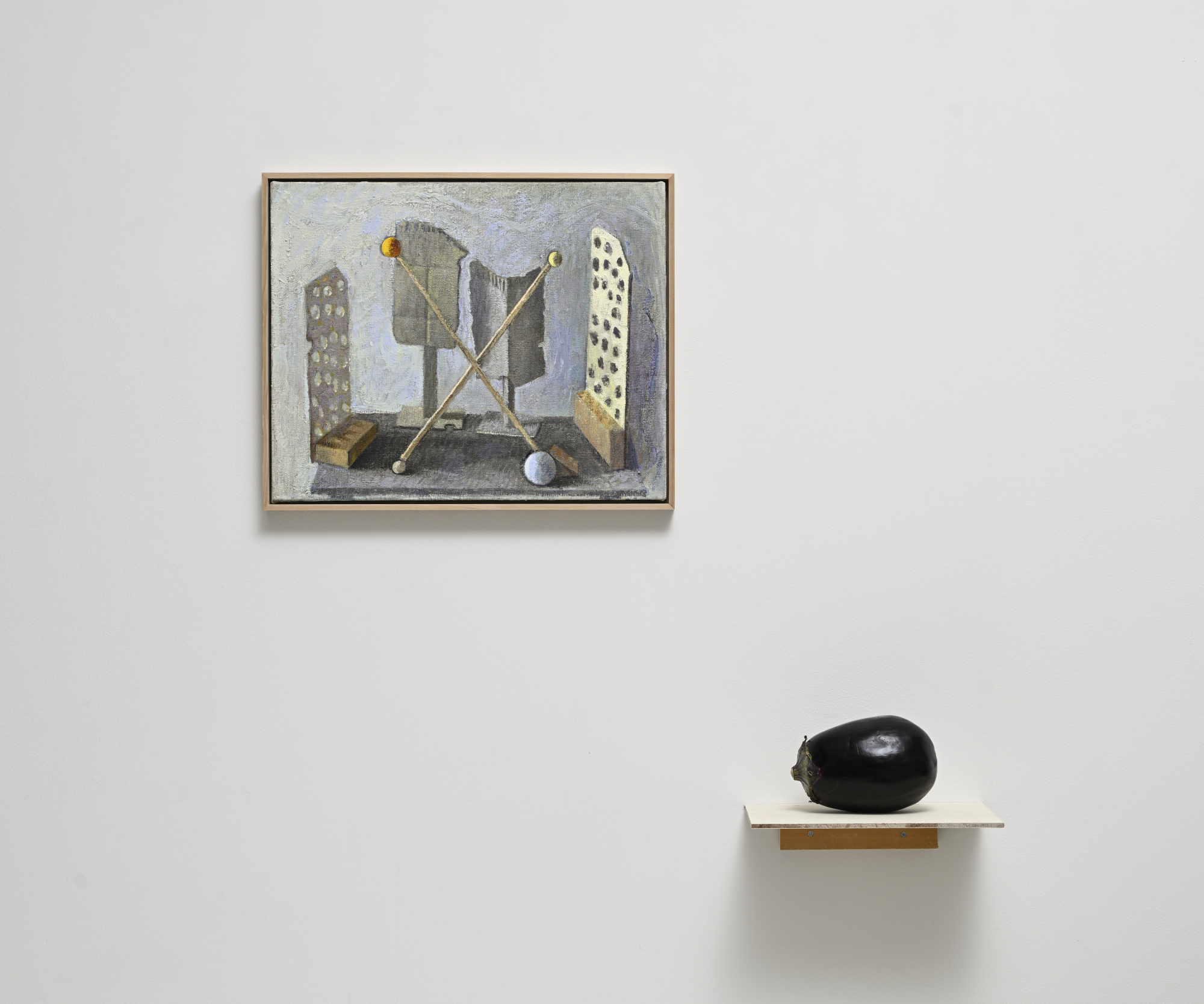
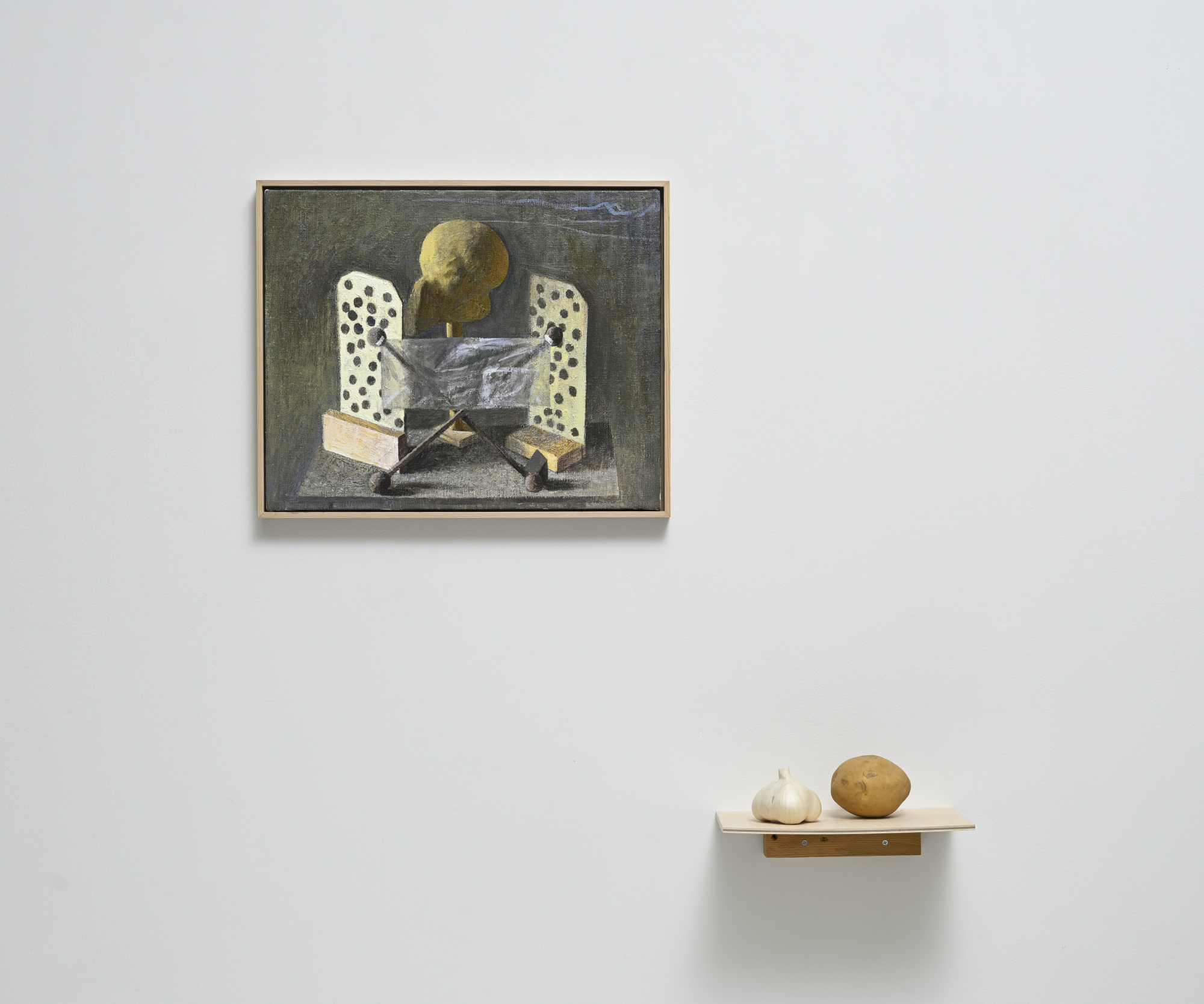
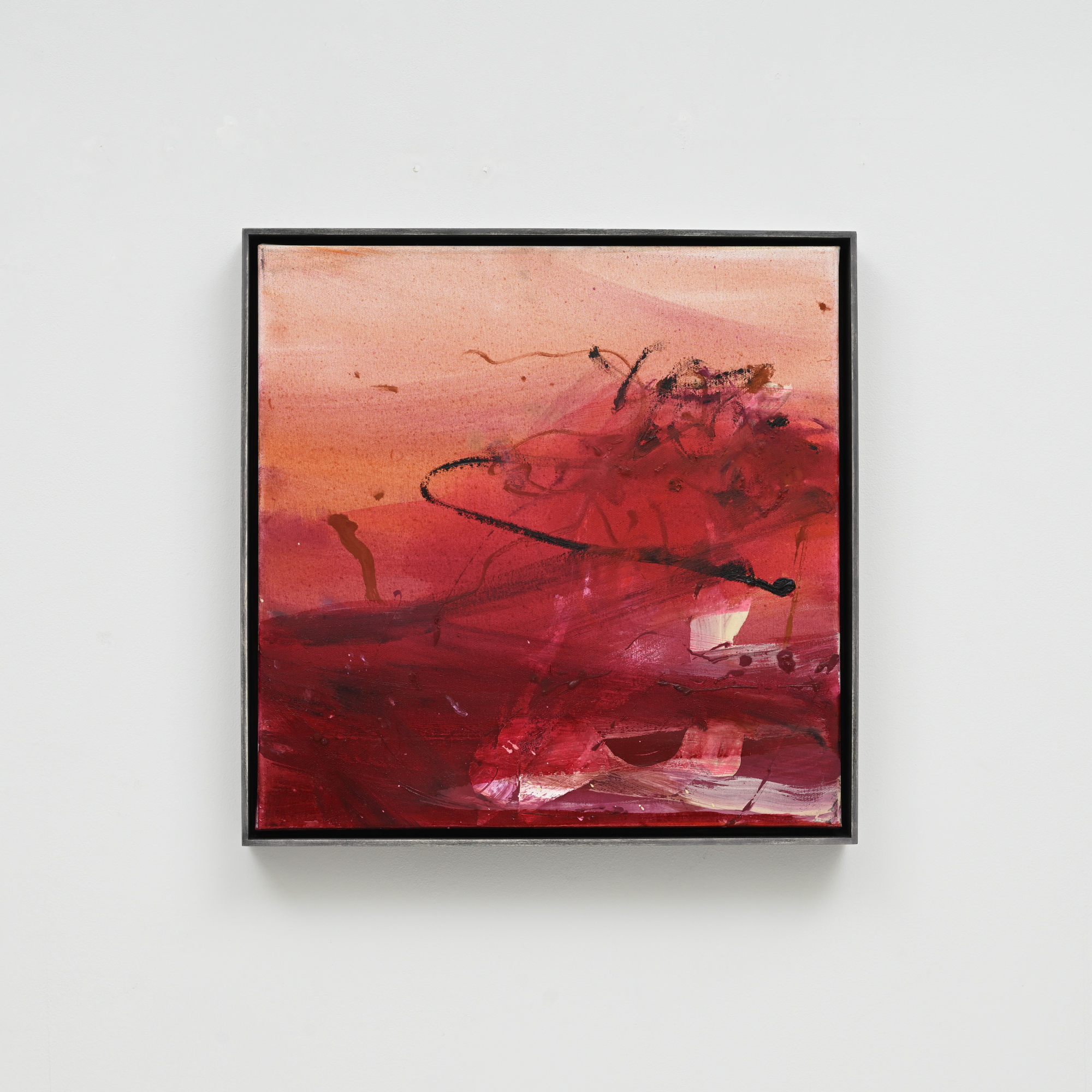
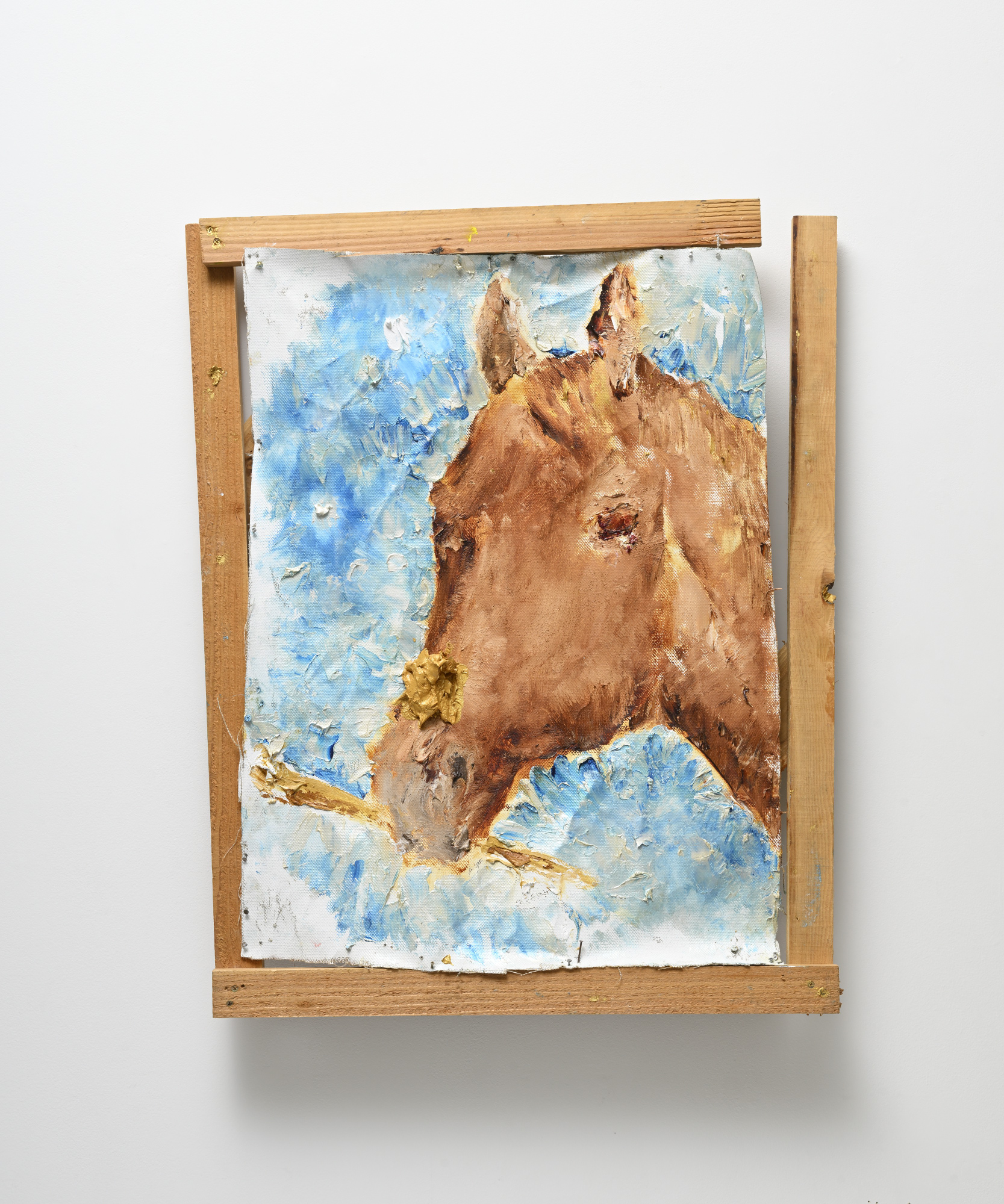
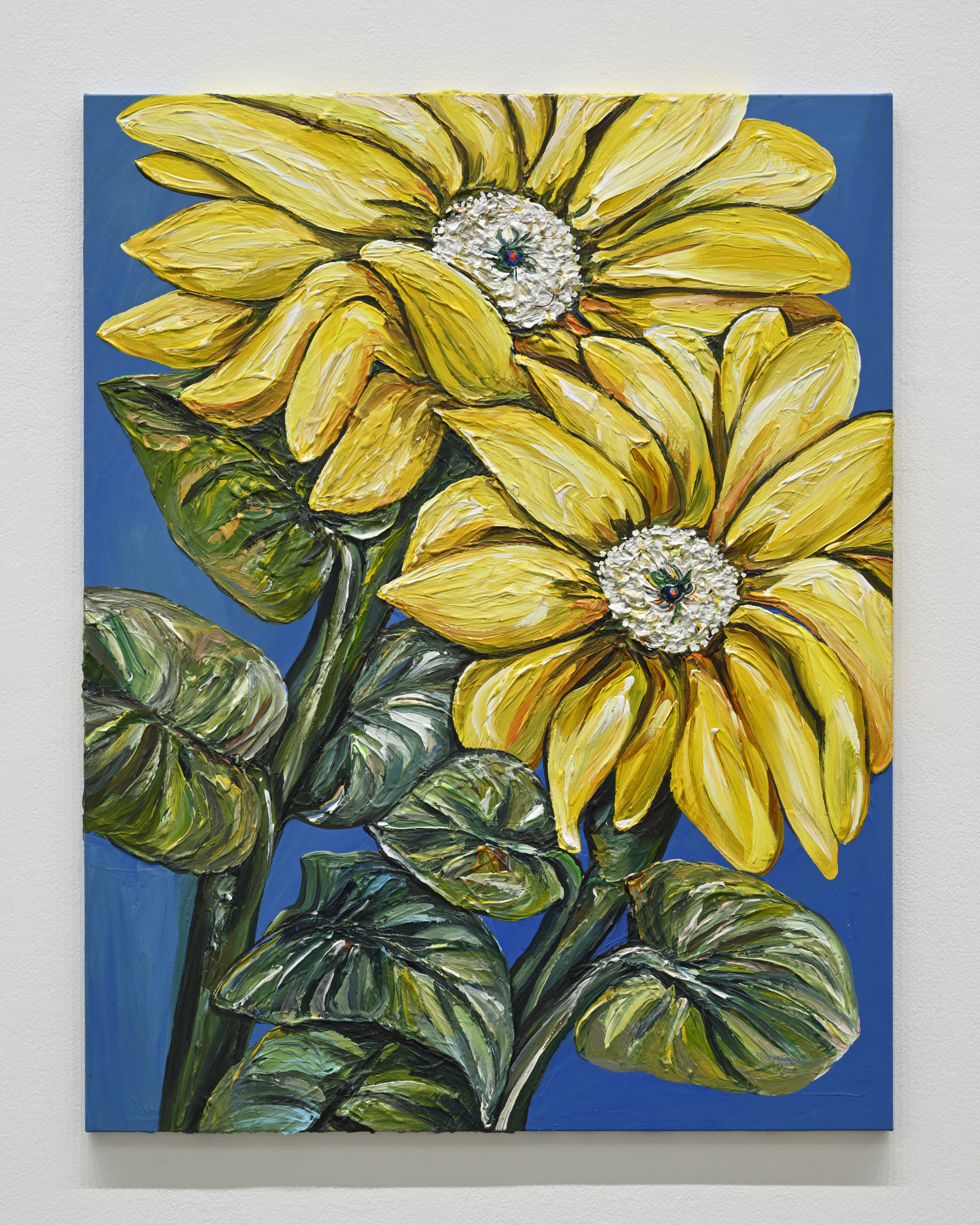
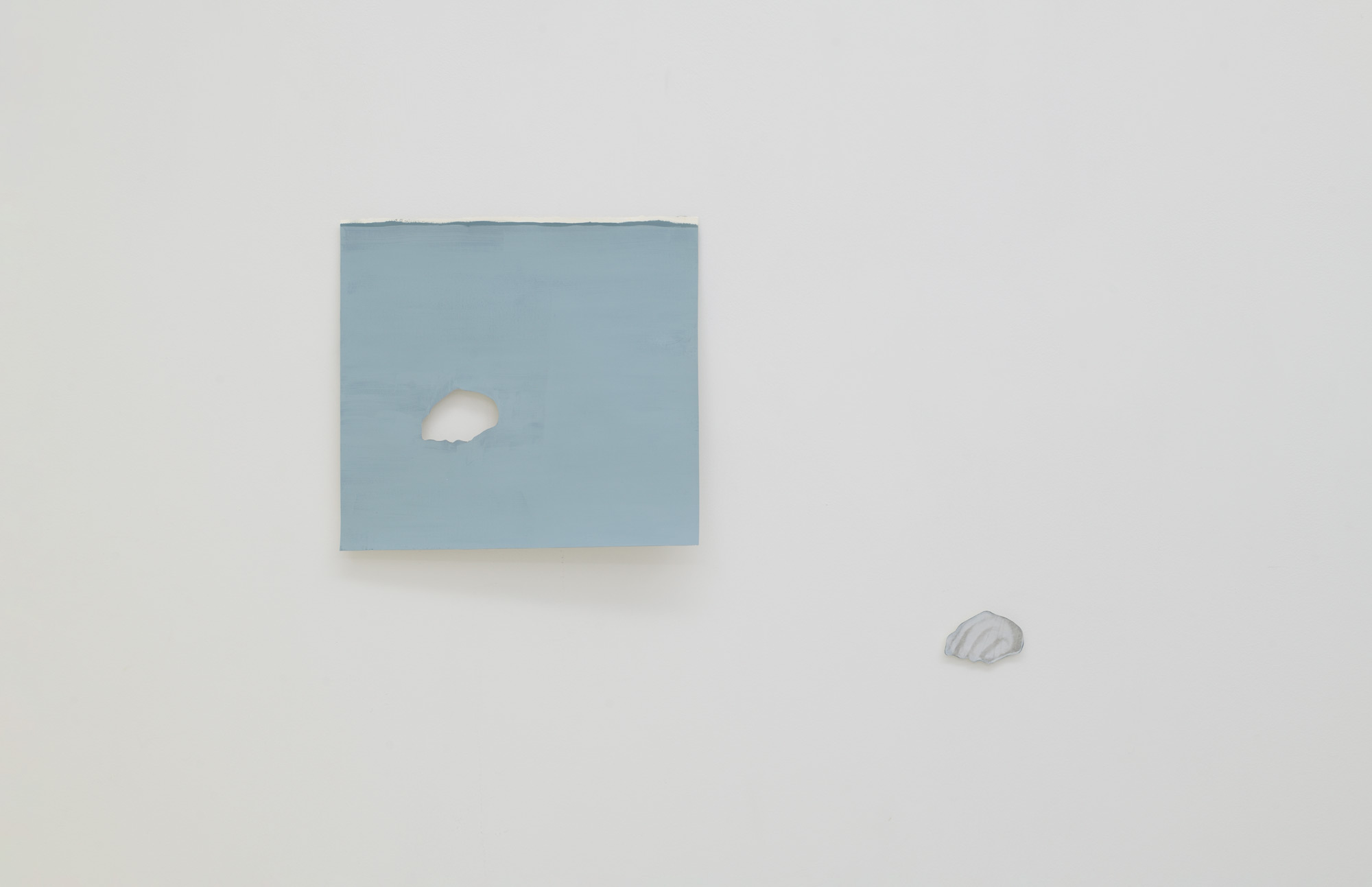
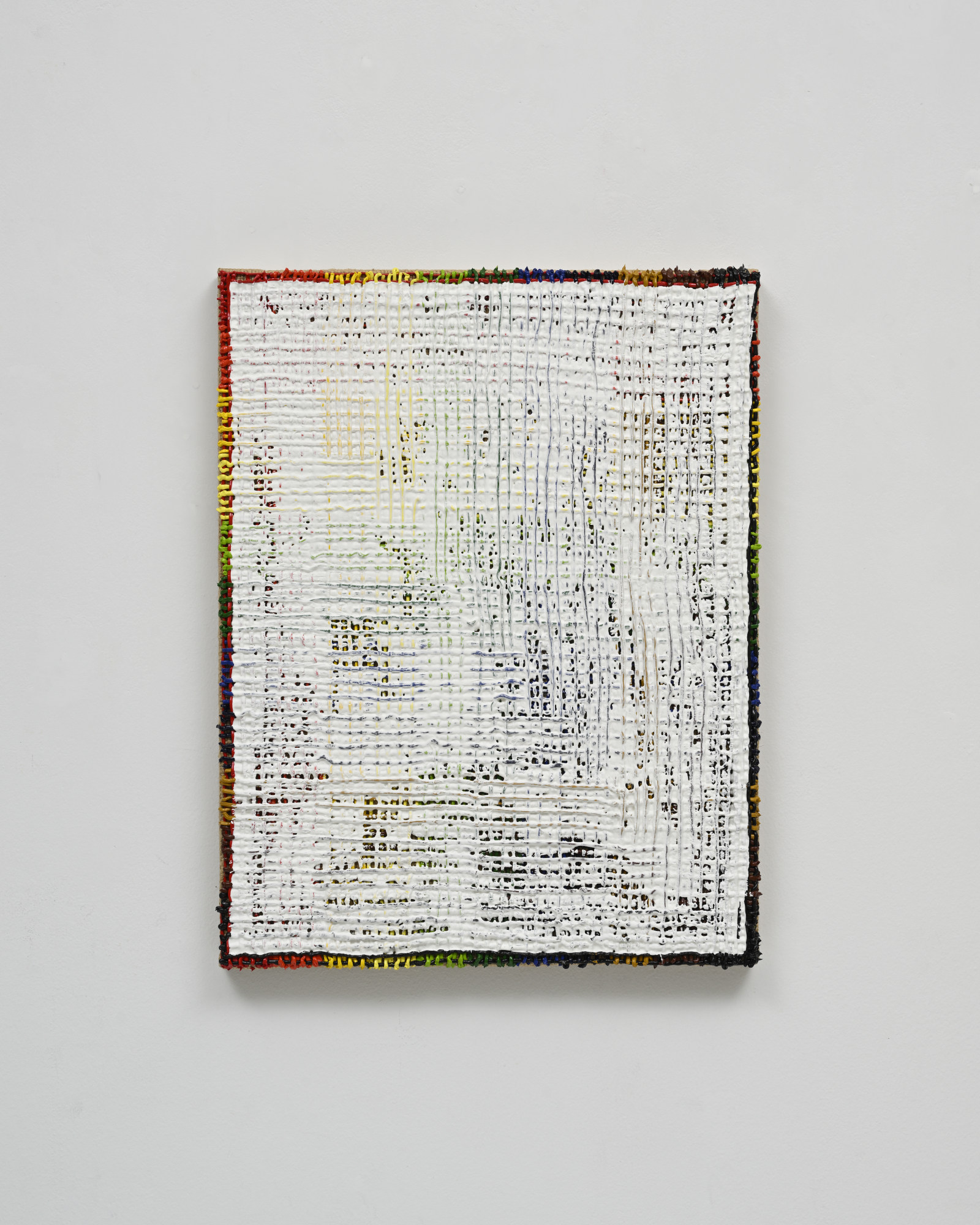
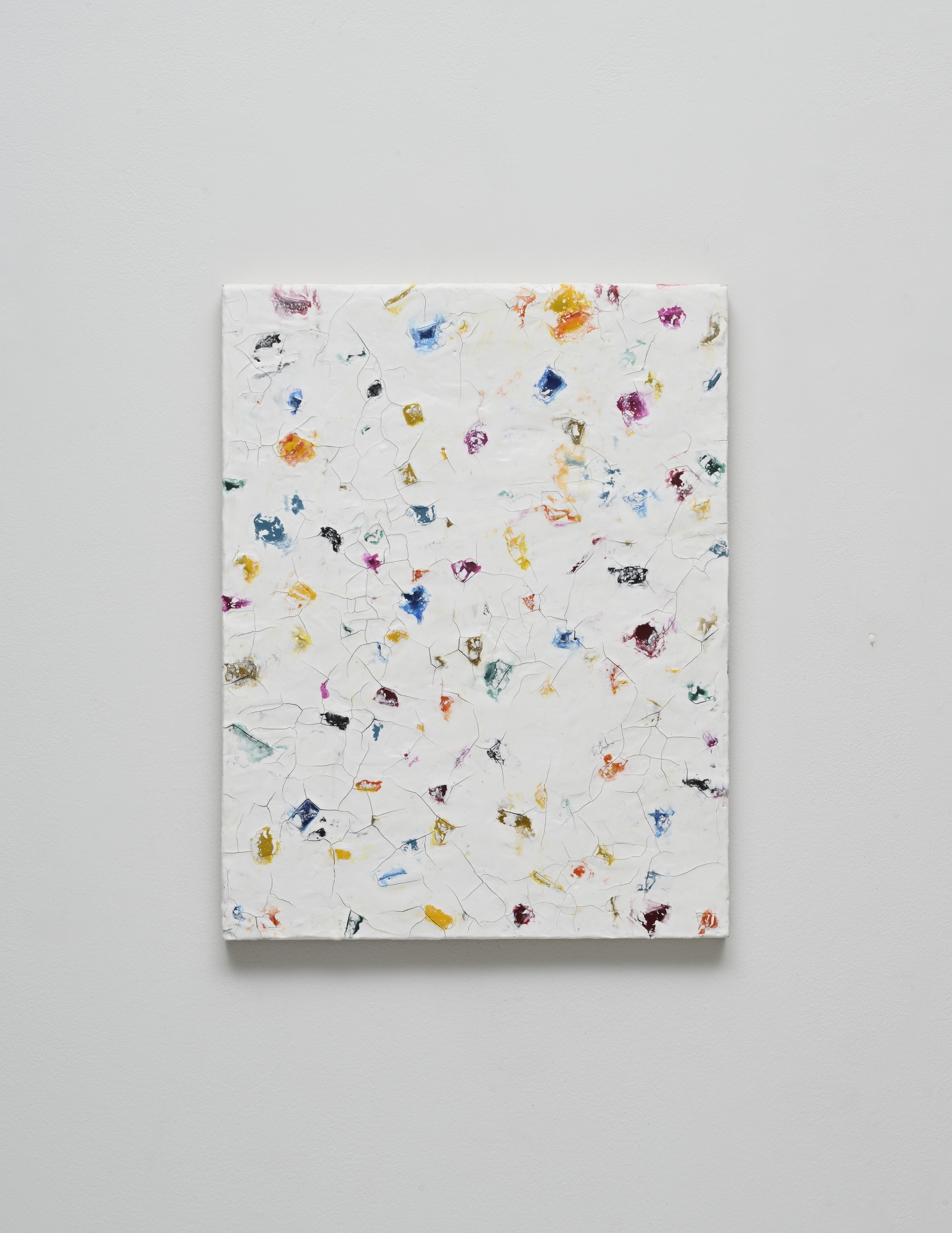
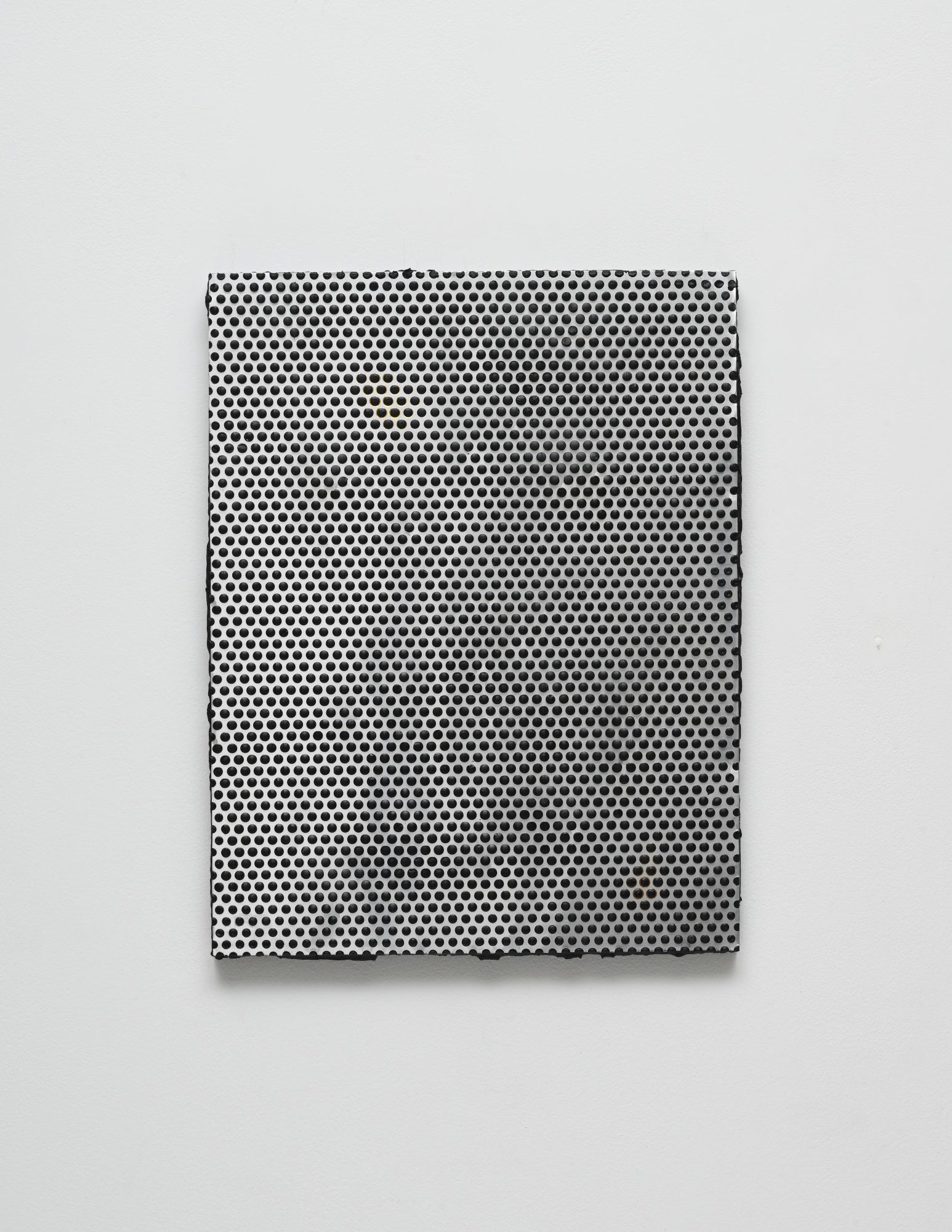
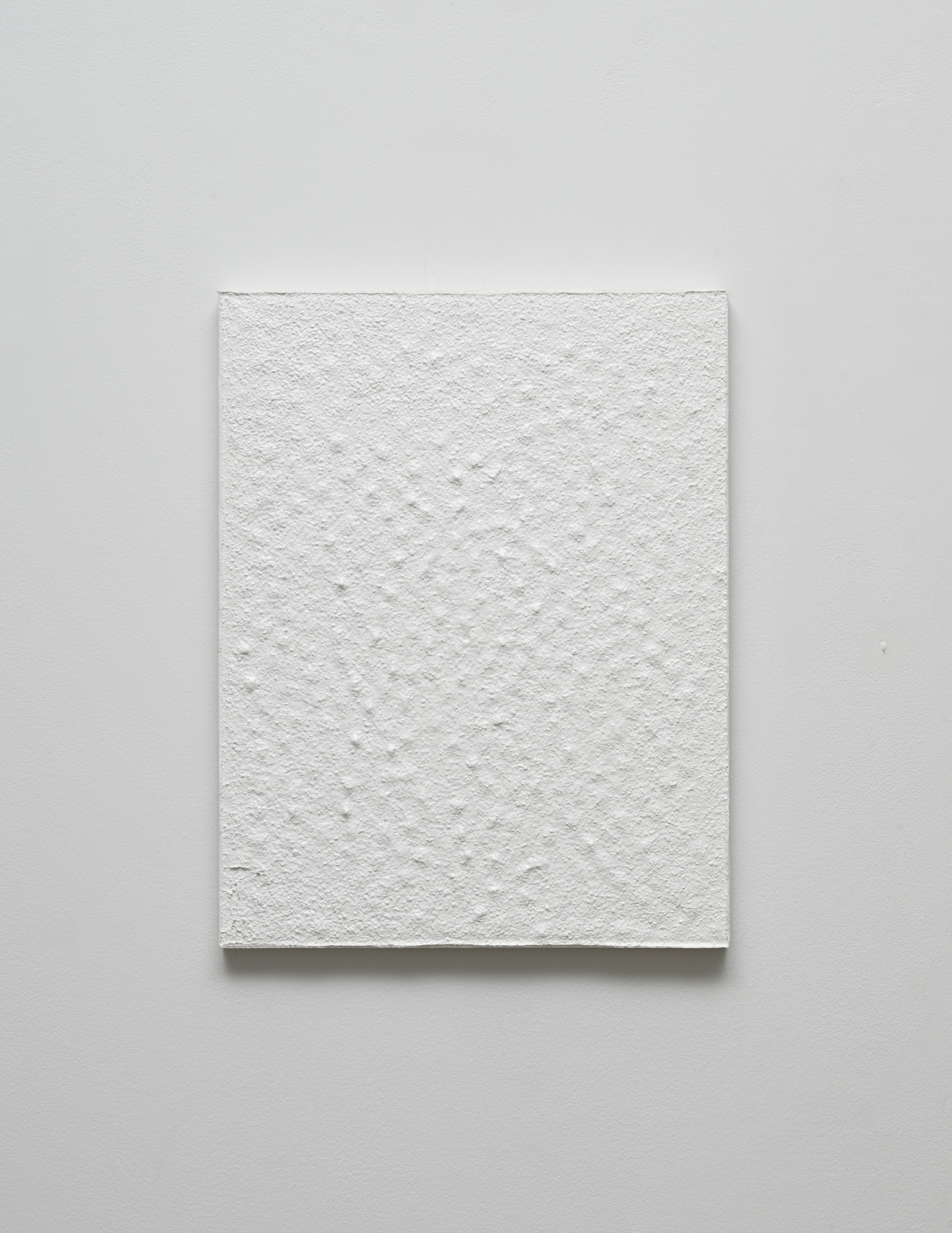
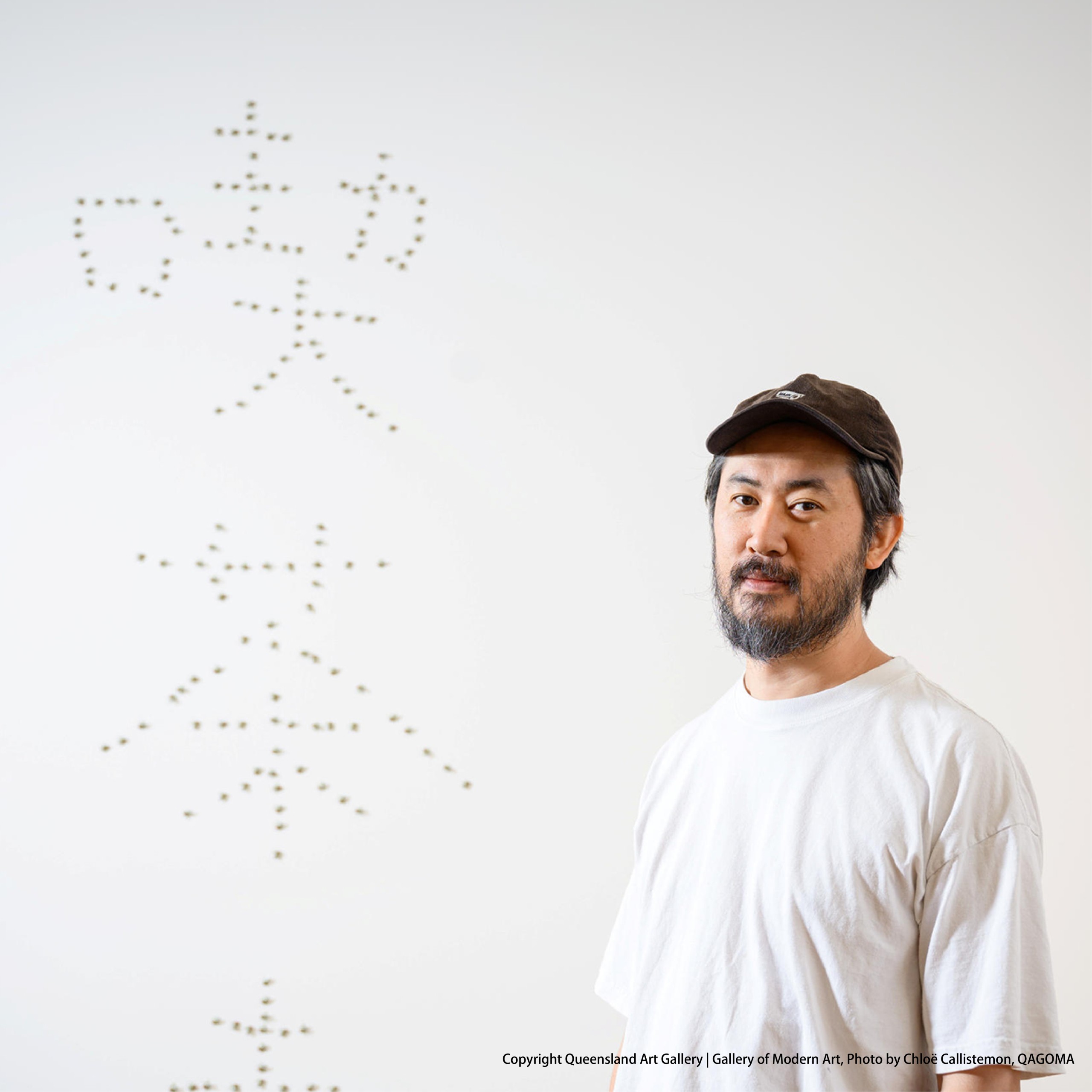
Born in Kanagawa, Japan, in 1980. Currently lives and works in Tokyo. Chiba’s paintings are created through a process in which the artist actively engages with the objects of his choice as much as necessary; he extracts images from his surroundings and previous life events and reconstructs them on canvas while utilizing his handmade motifs. With his sophisticated skill set, Chiba can differentiate textures of various motifs in his paintings where he establishes a complex world combining pseudo-reality, pure artificiality and reality. While sincerely imprinting copious achievements of paintings of all times and places on his mind, the artist boldly disturbs the existing structure of contemporary art with his preferred medium, painting.
Selected exhibitions: Painting and iPS-derived cardiac muscle sheet, ShugoArts, Tokyo, 2025; The 11th Asia Pacific Triennial of Contemporary Art, Queensland Art Gallery & Gallery of Modern Art, Queensland, 2024-2025; Sideward Exhibition, ShugoArts, Tokyo, 2023; Masaya Chiba Exhibition, Tokyo Opera City Art Gallery, Tokyo, 2021; Assembridge NAGOYA, Former Minato Dormitory of Nagoya customs, Nagoya, 2019; Painting and …, Gallery αM, Tokyo, 2018; Perry Rhodan and my life, Art Center Ongoing, Tokyo, 2018; MAM Collection 006: Materials and Boundaries – Handiwirman Saputra + Chiba Masaya, Mori Art Museum, Tokyo, 2017; What to Do With Memories by Utilizing Things Such as Indirect Lighting in Light Box Style, Yatsuzaki Halo, Feeling of Wanting to Kiss, Family Story, Sagamihara Stone Burger, Forget Medusa, and Element 50m Ahead, ShugoArts, Tokyo, 2017; Discordant Harmony, Hiroshima City Museum of Contemporary Art, Hiroshima, 2015 (Travelled to Seoul and Taipei); Roppongi Crossing 2013: OUT OF DOUBT, Mori Art Museum, Tokyo, 2013
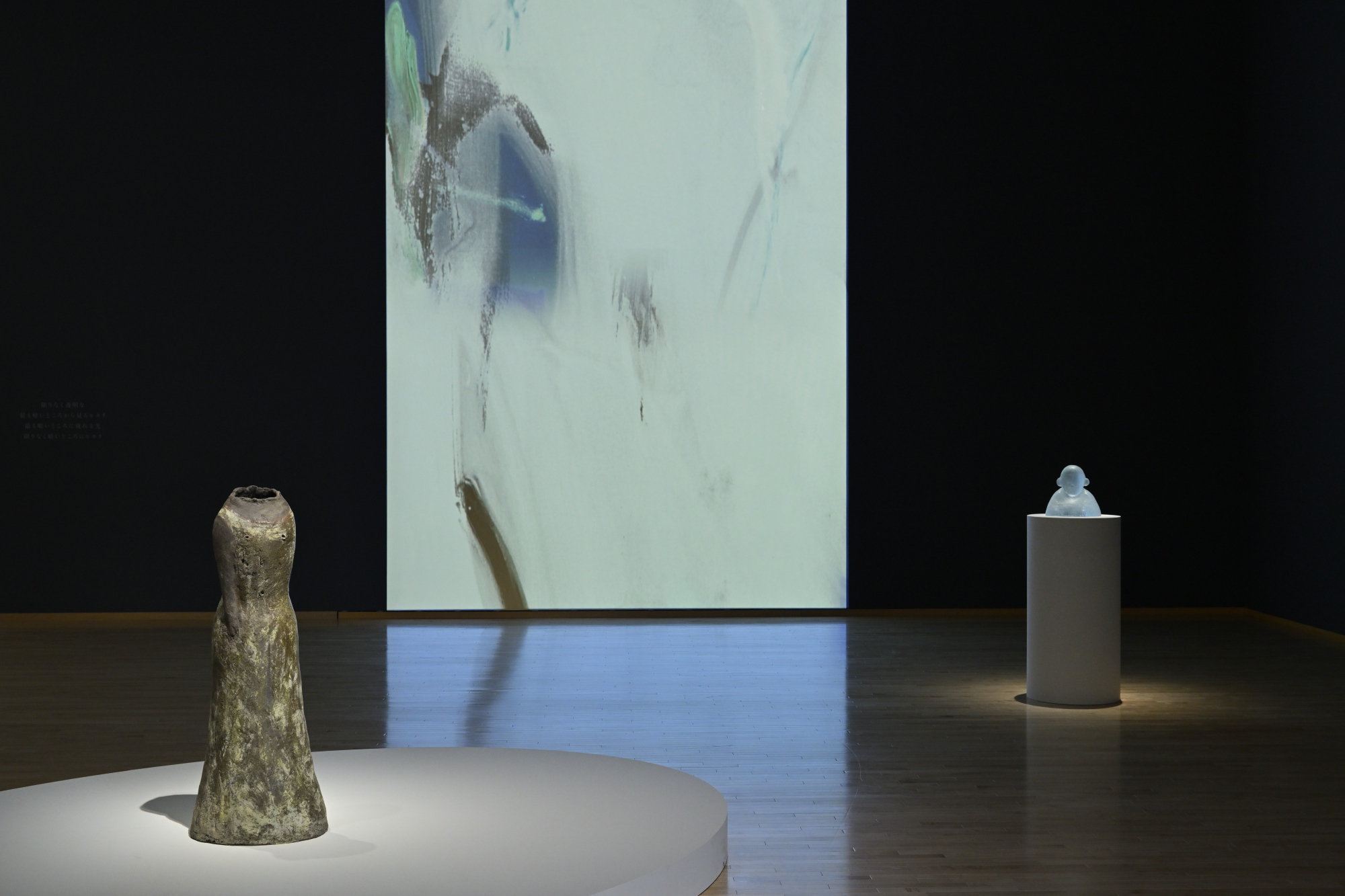
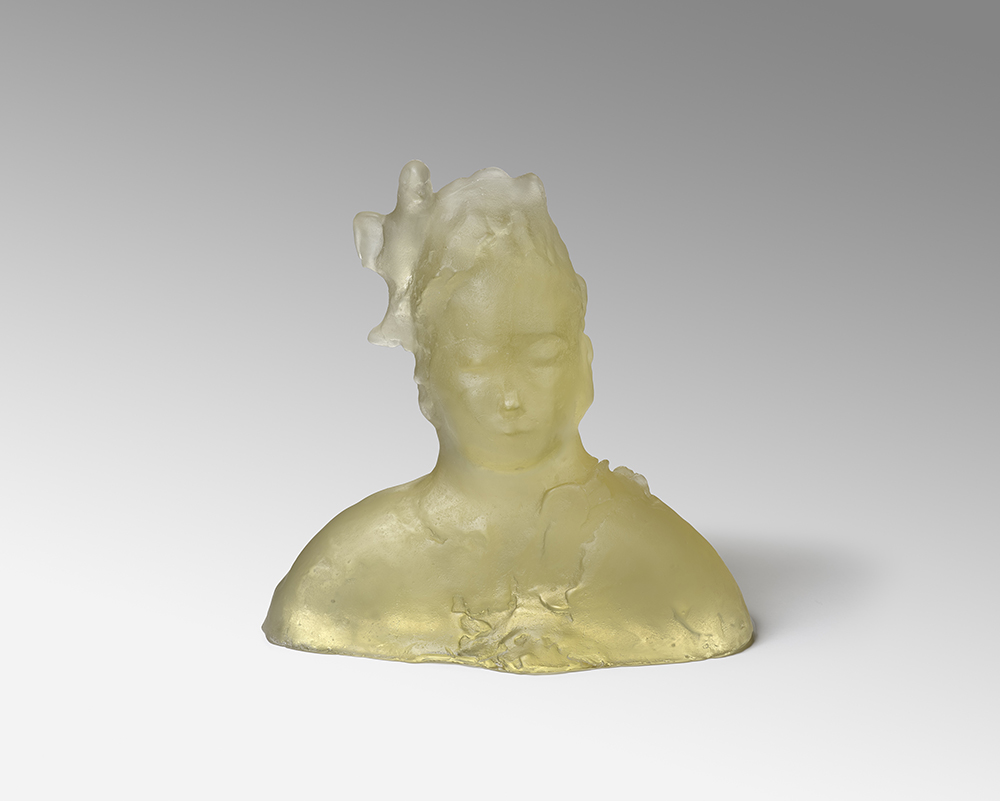
Leiko Ikemura was born in Tsu City, Mie, Japan. She moved to Spain in the 1970s, then to Switzerland, and has been based in Germany since the early 1980s. Ikemura was a professor at the Berlin University of the Arts from 1991 to 2015. She has served as a visiting professor at the graduate school of Joshibi University of Art and Design since 2014. In 2019, she won the Minister of Education, Culture, Sports, Science and Technology’s Art Encouragement Prize. Ikemura works in a variety of media including painting, terra cotta, bronze, glass, photography, and poetry. She utilizes traditional materials for her paintings and sculptures, which contain a high level of spirituality and are highly acclaimed both domestically and internationally. The shapes and colors emitted from the unique texture of her art create images that blend figures, plants, and horizons, encompassing the fluid relationship between people, nature, and the universe.
Selected solo exhibitions: infinitely transparent, ShugoArts, Tokyo, 2022; Nach Neuen Meeren, Kunstmuseum Basel, Basel, Switzerland, 2019; Nordiska Akvarellmuseet, Skärhamn, Sweden, 2019; Our Planet – Earth and Stars, National Art Center, Tokyo, 2019; After another world, ShugoArts, Tokyo, 2017; …und plötzlich dreht der Wind, Haus am Waldsee, Berlin, 2016; Poetics of Form, Nevada Museum of Art, Reno (Nevada), 2016; All About Girls and Tigers, Museum für Ostasiatische Kunst Cologne, 2015; Pioon, The Vangi Sculpture Garden Museum, Shizuoka, 2014; i-migration, Staatliche Kunsthalle Karlsruhe, 2013; Korekara oder die Heiterkeit des fragilen Seins, Museum für Asiatische Kunst, Staatliche Museen zu Berlin, Stiftung Preußischer Kulturbesitz, Berlin, 2012; Mare e Monti. Kolumba, Cologne, 2012; Transfiguration, The National Museum of Modern Art, Tokyo, Mie Prefectural Art Museum, Mie, 2011.
Selected Public Collections: Bundeskunstsammlung (Berlin, Germany), The Centre Pompidou (Paris, France), Kunstmuseum Basel (Basel, Switzerland), Kunstmuseum Liechtenstein (Vaduz, Liechtenstein), Museum für Ostasiatische Kunst Köln (Cologne, Germany), mumok – Museum Moderner Kunst Stiftung Ludwig Wien (Vienna, Austria), Museum of Contemporary Art Tokyo (Tokyo, Japan), The National Museum of Art, Osaka (Osaka, Japan), MOMAT – The National Museum of Modern Art (Tokyo, Japan), Pola Museum of Art (Kanagawa, Japan), Staatliche Kunsthalle Karlsruhe (Karlsruhe, Germany)

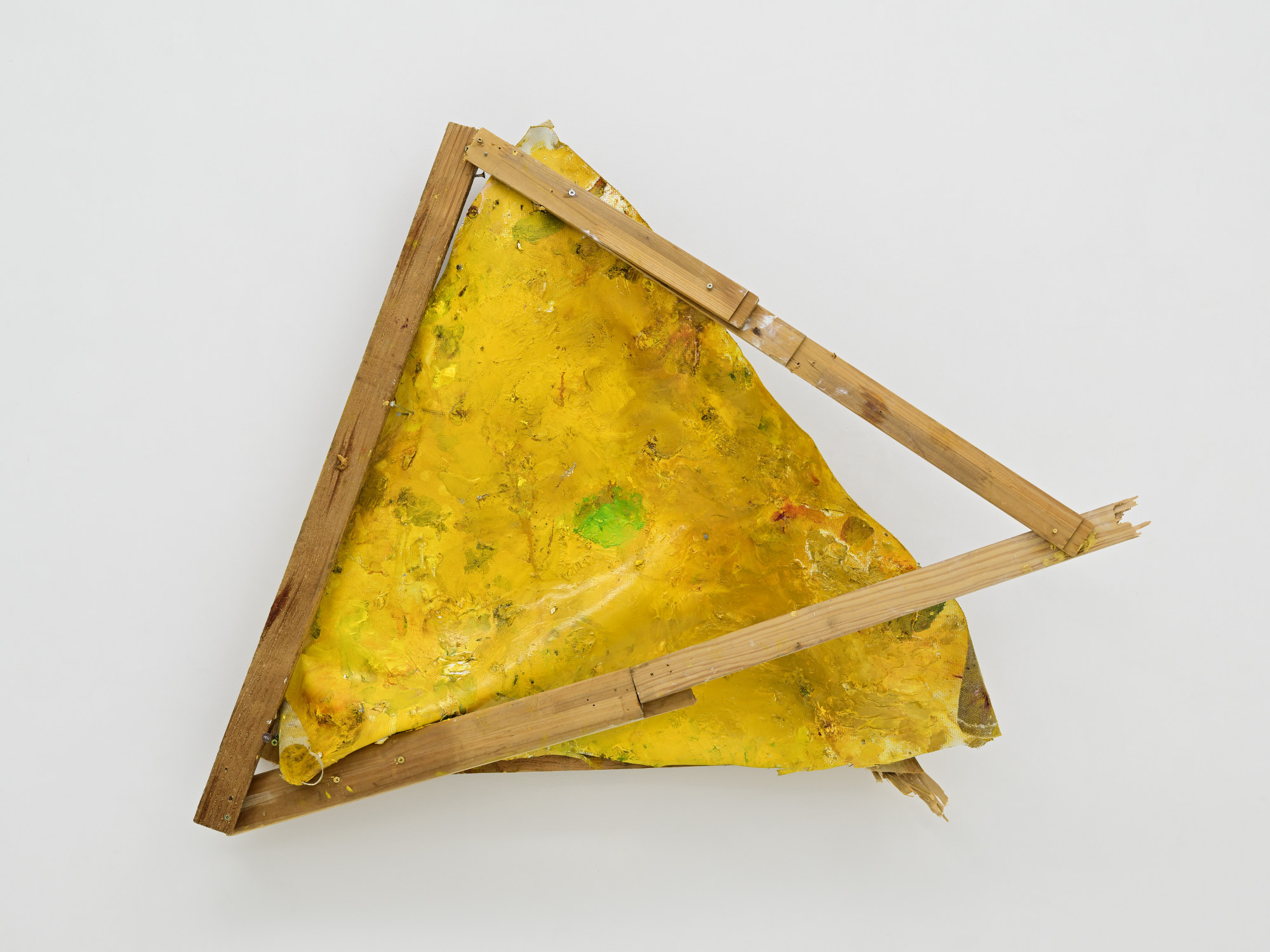
Masato Kobayashi was born in Tokyo in 1957. He was the Japanese representative of the 1996 São Paulo Bienniale. In 1997, invited by Jan Hoet, he traveled to Europe, and continued to create works in various locations while based in Ghent, Belgium. Kobayashi returned to Japan in 2006 and began working based in Tomonoura, Fukuyama City, Hiroshima. He was also a professor at the Tokyo University of the Arts from 2017 to 2023. He has developed a unique technique of applying color by rubbing it into the canvas while supporting the fabric, simultaneously stretching it over the wooden frame to bring the painting to life and “aiming for a painting that does not lose its essence by merely existing.” Kobayashi has created luminosity of paintings that possess a form and unique brightness that can only emerge from that specific moment.
Selected exhibitions: “About Freedom”, ShugoArts, Tokyo, 2023; “ART TODAY 2012”, Sezon Museum of Modern Art, Nagano, 2012; “MASATO KOBAYASHI – The Paint of the Planet”, Nariwa Museum, Okayama, 2009; “Starry Paint, stars of outer space by pure painting”, Tensta Konsthall, Spanga, Sweden, 2004; “U-TOPOS Biennale Tirana”, The National Gallery of Art, Tirana, 2003; “A Son of Painting Masato Kobayashi”, S.M.A.K., Ghent, 2001; “A CASA DI…”, Città dellʼarte-Fondazióne Pistoletto, Biella, 2000; “Over the Edges”, S.M.A.K., Ghent, 2000; “KOBAYASHI Masato”, The Miyagi Museum of Art, 2000; “A Son of Painting”, Satani Gallery, Tokyo, 1992.
Publications: Masato Kobayashi MK, HeHe, 2024; The autobiographical novel trilogy, Paint of this Planet—Under the tree at Hitotsubashi University, ART DIVER, 2018; Paint of this Planet—Duifhuisstraat 52, ART DIVER, 2020.
Selected public collections: The National Museum of Modern Art, Tokyo; Museum of Contemporary Art Tokyo; S.M.A.K. (Municipal Museum of Contemporary Art, Ghent); The Miyagi Museum of Art; Utsunomiya Museum of Art; Sezon Museum of Modern Art, Karuizawa; Iwaki City Art Museum; Vangi Sculpture Garden Museum, Shizuoka.

Born in 1987 in Hokkaido and currently residing in Yamagata, Japan. Aki Kondo continues to depict hope and compassion for all forms of life through bold colors and dynamic brushstrokes. For Kondo, who believes that “to paint is to live,” the act of creation is both a process of envisioning the world she wishes to see and a means of self-recognition through painting. Her artistic expression extends beyond canvases and panels, freely expanding into three-dimensional objects, walls, ceilings, and entire spaces. Additionally, Kondo has demonstrated her talent in various artistic endeavors, including writing, directing, and producing the short film HIKARI, which seamlessly blends approximately 14,000 oil-painted animation frames with live-action footage.
Selected exhibitions: Aki Kondo: What I Saw, When I Tore Myself Open, Art Tower Mito, Ibaraki, 2025; I Wanted to See You, ShugoArts, Tokyo, 2023; Aichi Triennale 2022, Aichi, 2022; Stars, Sparkling, Yamagata Museum of Art, Yamagata, 2021; The Happiness that Exists Here, ShugoArts/ Phillips Tokyo/ Contemporary Art Foundation, Tokyo, 2021; Takamatsu Art Museum Collection + Body and Movement, Takamatsu City Museum of Art, Kagawa, 2020; Flowers in the Heart, ShugoArts Online Show, Tokyo, 2020; Today Waiting for That Day and Tomorrow, ShugoArts, Tokyo, 2018; Paintings Here And Now, Fuchu Art Museum, Tokyo, 2018; HIKARI, Daiwa Foundation Japan House, London, 2016; HIKARI, ShugoArts, Tokyo, 2015; THE ECOLOGY OF AKI KONDO, JIKKA, Tokyo, 2013; PHANTOMS OF ASIA: Contemporary Awakens the Past, Asian Art Museum, San Francisco, 2012. VOCA 2022 Honorable Mention Award, 2022.

Born in Hong Kong in 1978. Currently based in Taipei, Lee has taken part in exhibitions internationally, including the US, Europe and Asia. In his art practice, Lee utilizes various media such as projector light, videos, sounds, words and found objects, and his artworks represent the artist’s desire to continuously blaze a trail for new expressions of painting. Having been born and raised in Hong Kong, a city that has been susceptible to political turbulence, Lee has been conscious of the current socio-political climate. He incorporates intricate expressions to provide an opportunity for the viewers to reconsider their relationships with society and others, and the nature of his artwork is what makes his exhibition spaces site-specific, reflecting the ambience and emotions of each location.
Selected solo exhibitions: His gaze has turned in to disdain for those who are well-intentioned yet incapable. (A quiet day), Fridericianum, Kassel, 2025; A blank stare like a gasp, ShugoArts, Tokyo, 2023; Lovers on the Beach, West Den Haag, Den Haag, 2021-2022; (Screenshot), ShugoArts, Tokyo, 2020; Resonance of a sad smile, Art Sonje Center, Seoul, 2019; ‘We used to be more sensitive.’, Hara Museum of Contemporary Art, Tokyo, 2018; I didn’t know that I was dead, OCAT, Shenzhen, China, 2018; Not untitled, ShugoArts, Tokyo, 2017; A small sound in your head, S.M.A.K, Ghent, 2016; Hold your breath, dance slowly, The Walker Art Centre, Minneapolis, USA, 2016; The voice behind me, Shiseido Gallery, Tokyo, 2015; ʻYou (you).ʼ, the 55th Venice Biennale, 2013.
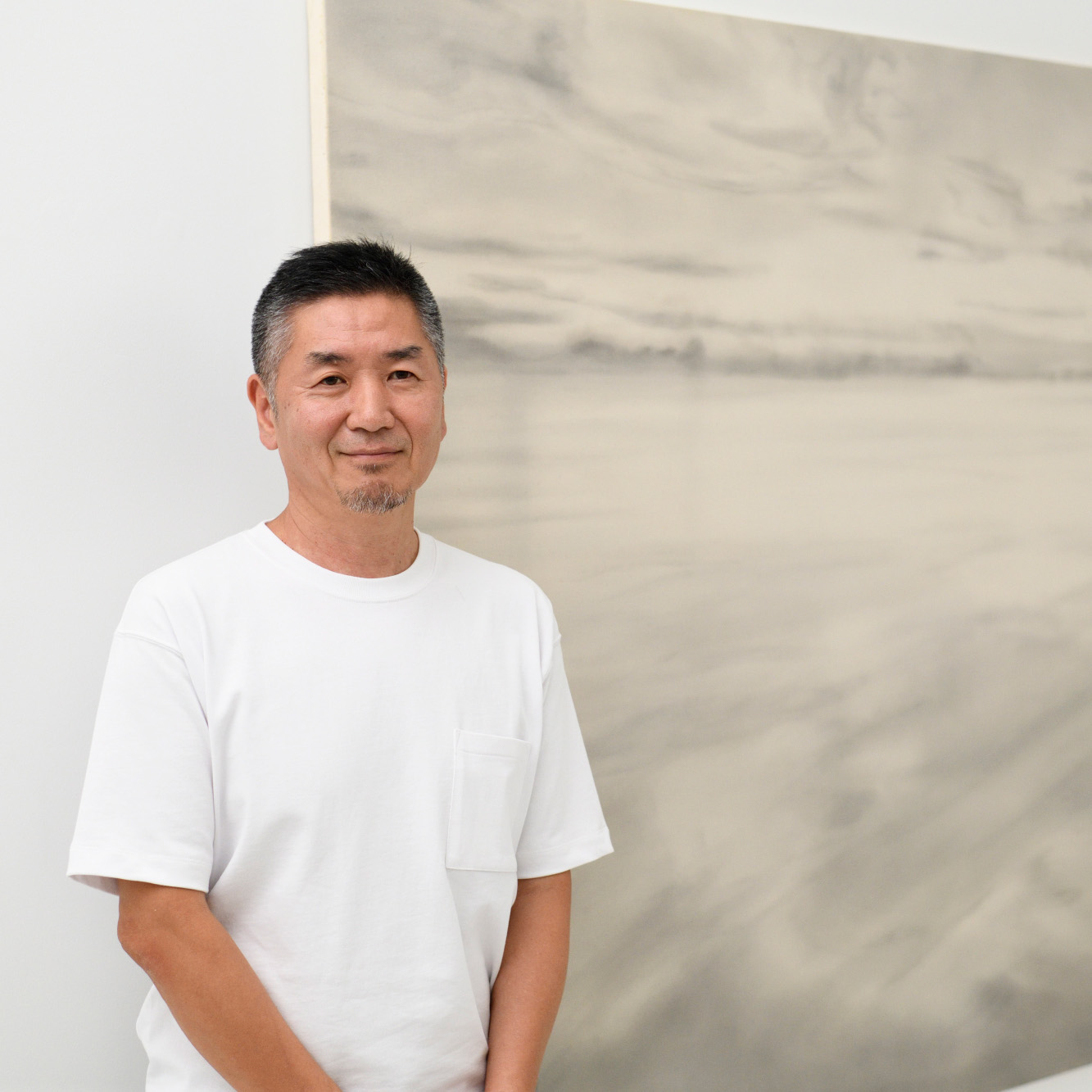
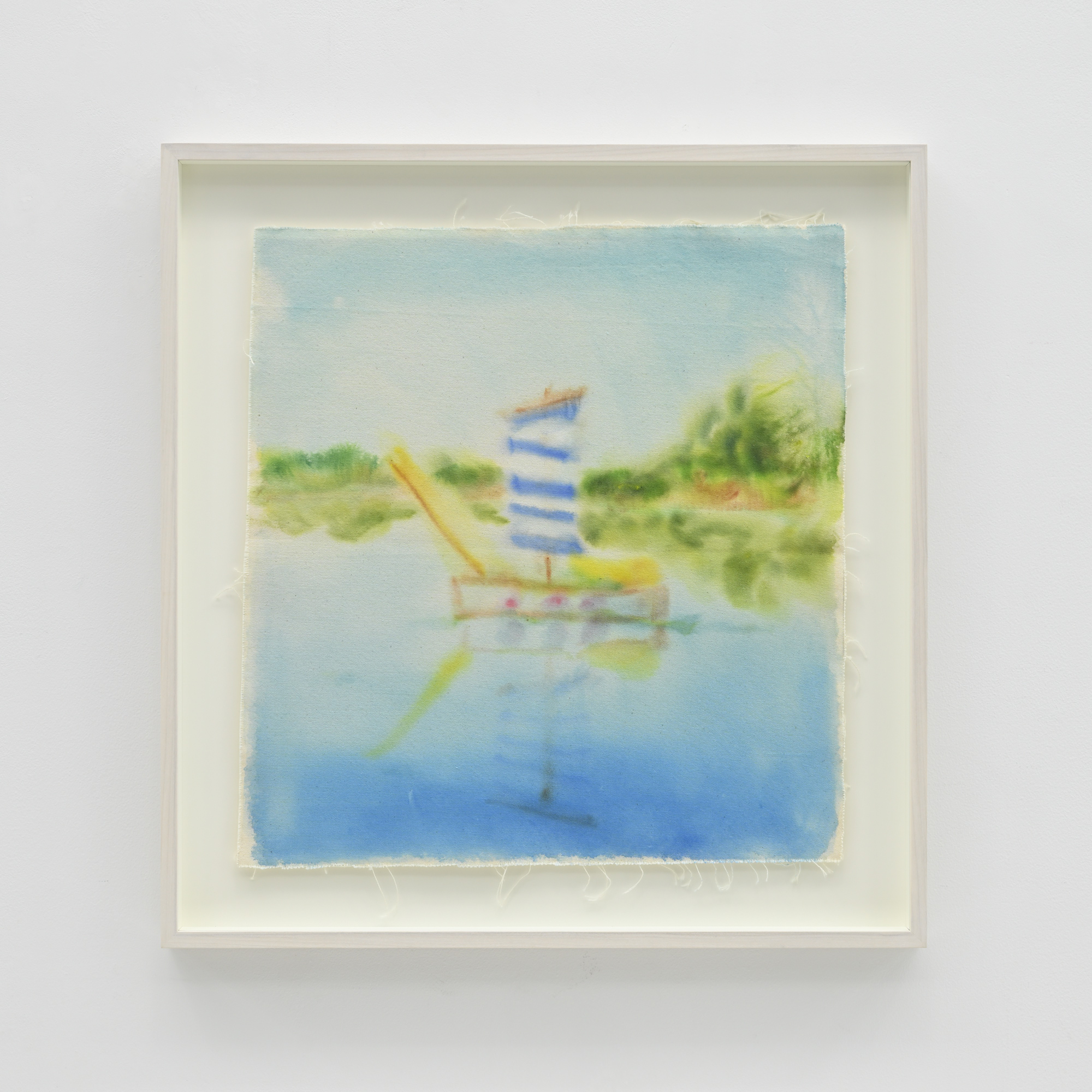
Born in Niigata, Japan in 1964. Maruyama currently lives and works in Tokyo. He has become one of the most important painters in Japan since the 1990s. The artist incorporates the stain technique, a painting technique using cotton cloths soaked with water and acrylics, in order to depict his motifs which are so soft that they melt with time and place. His paintings are figurative yet abstract, ushering the viewers to a plateau where there is no boundary between a subject and an object; in other words, the viewers become part of his paintings. Maruyama’s painting practice is bolstered by his diligent, rational and sincere research and practice of “the possibility of the spaces that exist only inside paintings.” He has been a Professor in the Painting Department at the Musashino Art University since 2000. Maruyama received The Minister of Education, Culture, Sports, Science and Technologyʼs Art Encouragement Prize for New Artists in 2008.
Selected exhibitions: puddle, Keteleer Gallery, Antwerp, 2025; NO DATE, ShugoArts, Tokyo, 2025; HIRAKU Project Vol.14 Naofumi Maruyama Kicking the Water: Sengokuhara, Pola Museum of Art, Kanagawa, 2023; Kicking the Water, ShugoArts, Tokyo, 2022; Lascaux and Weather, ShugoArts,Tokyo, 2018; FLOWING, Wooson Gallery, Daegu, 2017; GROUND2: Talking About Paintings, Talking About Seeing, Musashino Art University Museum & Library, Tokyo, 2016; Niigata Creations ‒ Museum in Motion, Niigata City Art Museum, Niigata, 2014; Floating Boat, Toyota Municipal Museum of Art, Aichi, 2011; Transparent Footsteps, ShugoArts, Tokyo, 2010; the front in the back, Meguro Museum of Art, Tokyo, 2008; Portrait Session, Hiroshima City Museum of Contemporary Art, Hiroshima, 2007; The Elegance of Silence: Contemporary Art from East Asia, Mori Art Museum, Tokyo, 2005; HAPPINESS: A SURVIVAL GUIDE FOR ART + LIFE, Mori Art Museum, Tokyo, 2003; Taipei Biennial: Great Theatre of the World, Taipei Fine Arts Museum, Taipei, 2002; MOT Annual 1999: Modest Radicalism, Museum of Contemporary Art Tokyo, 1999; 8th Triennale-India, Lalit Kala Akademi, National Academy of Art, New Delhi, 1994; Solo at Satani Gallery Tokyo, 1992
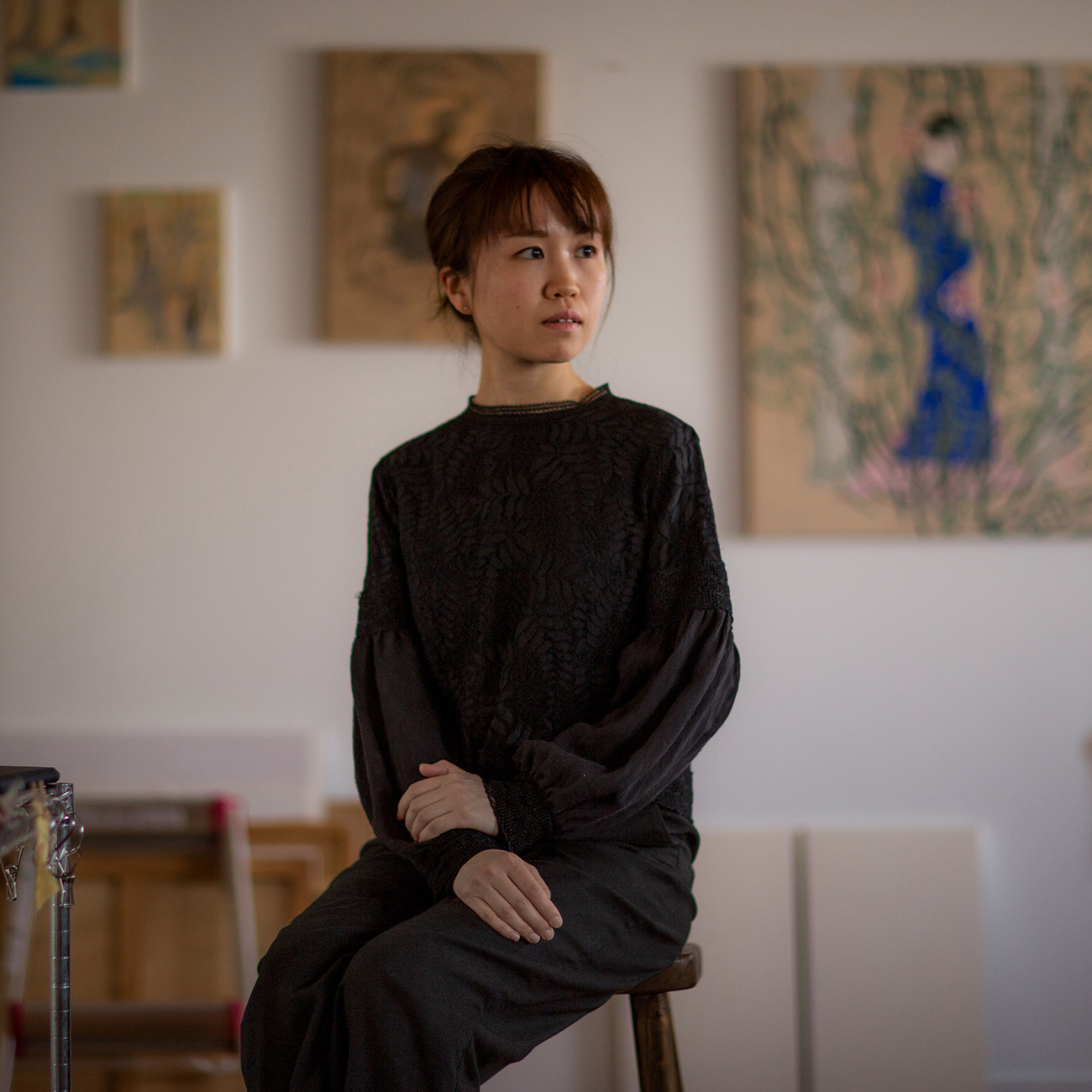
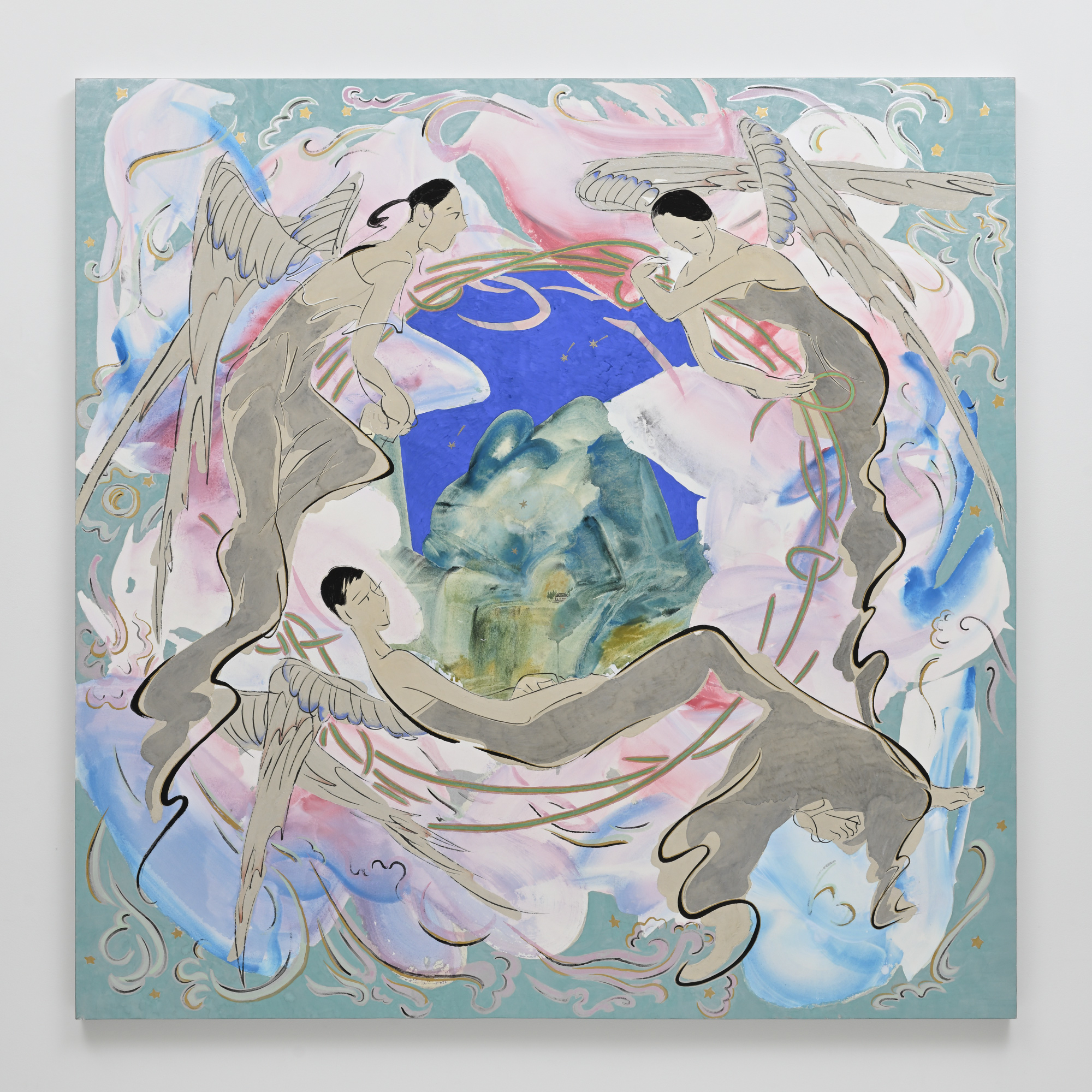
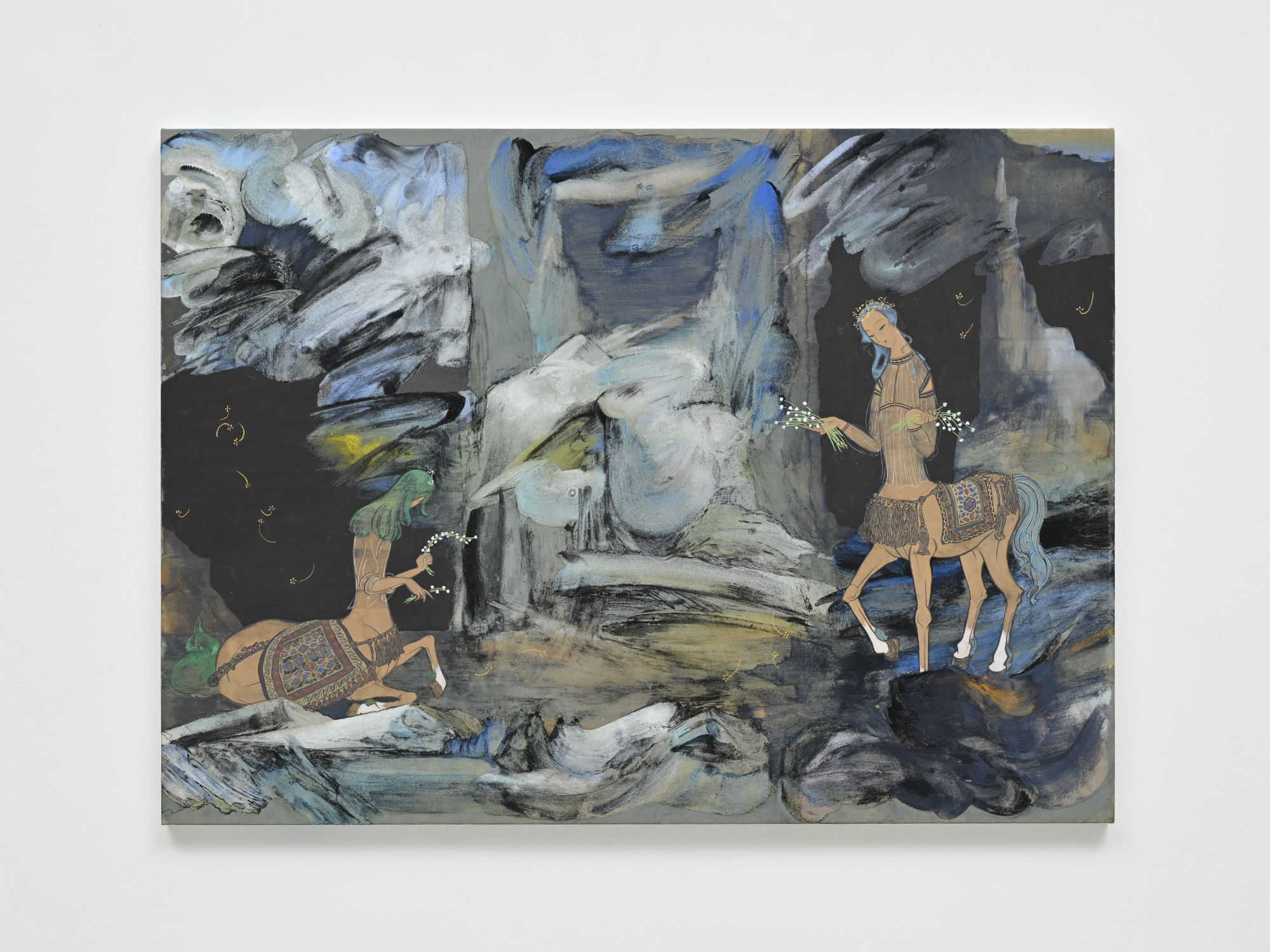
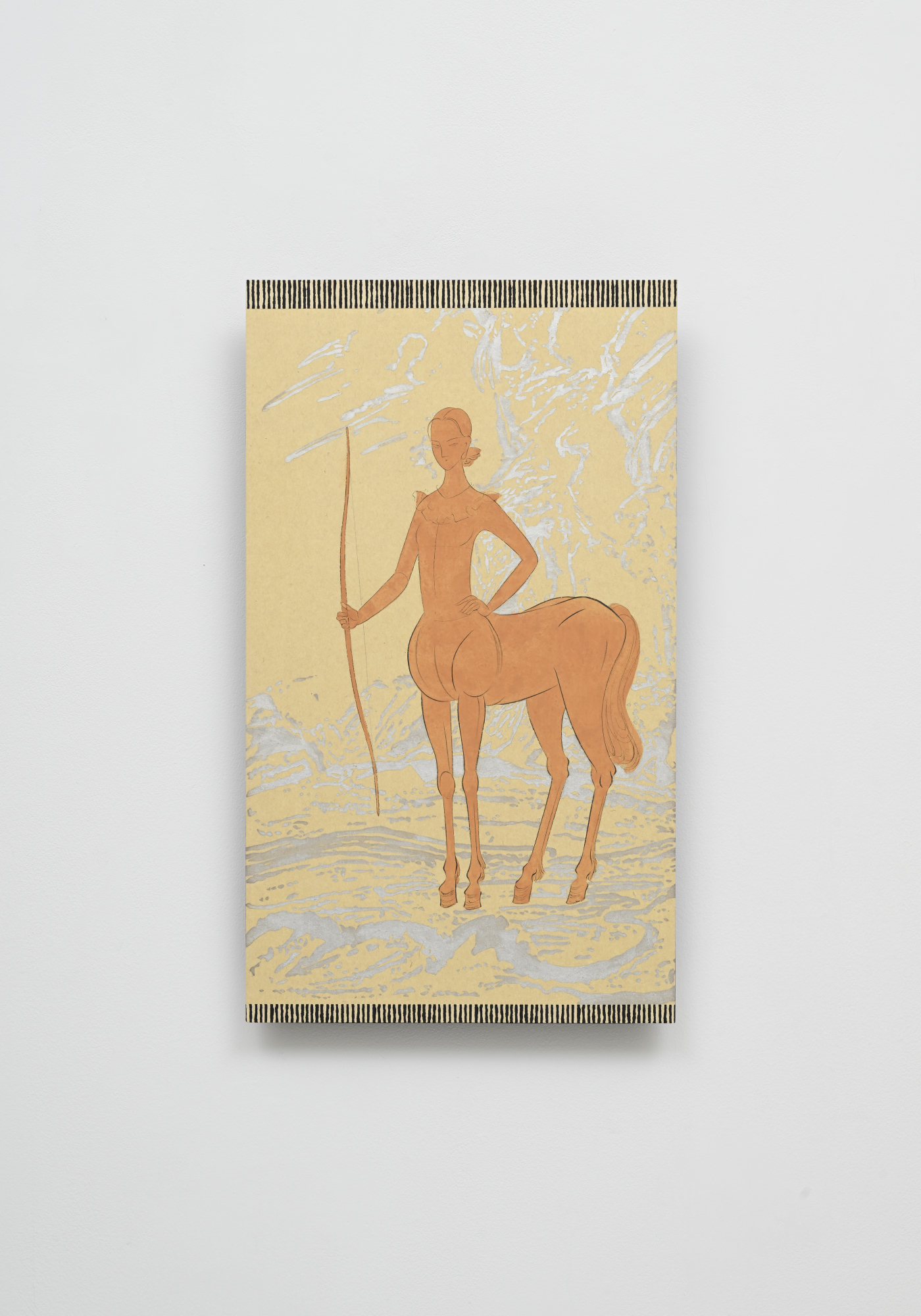
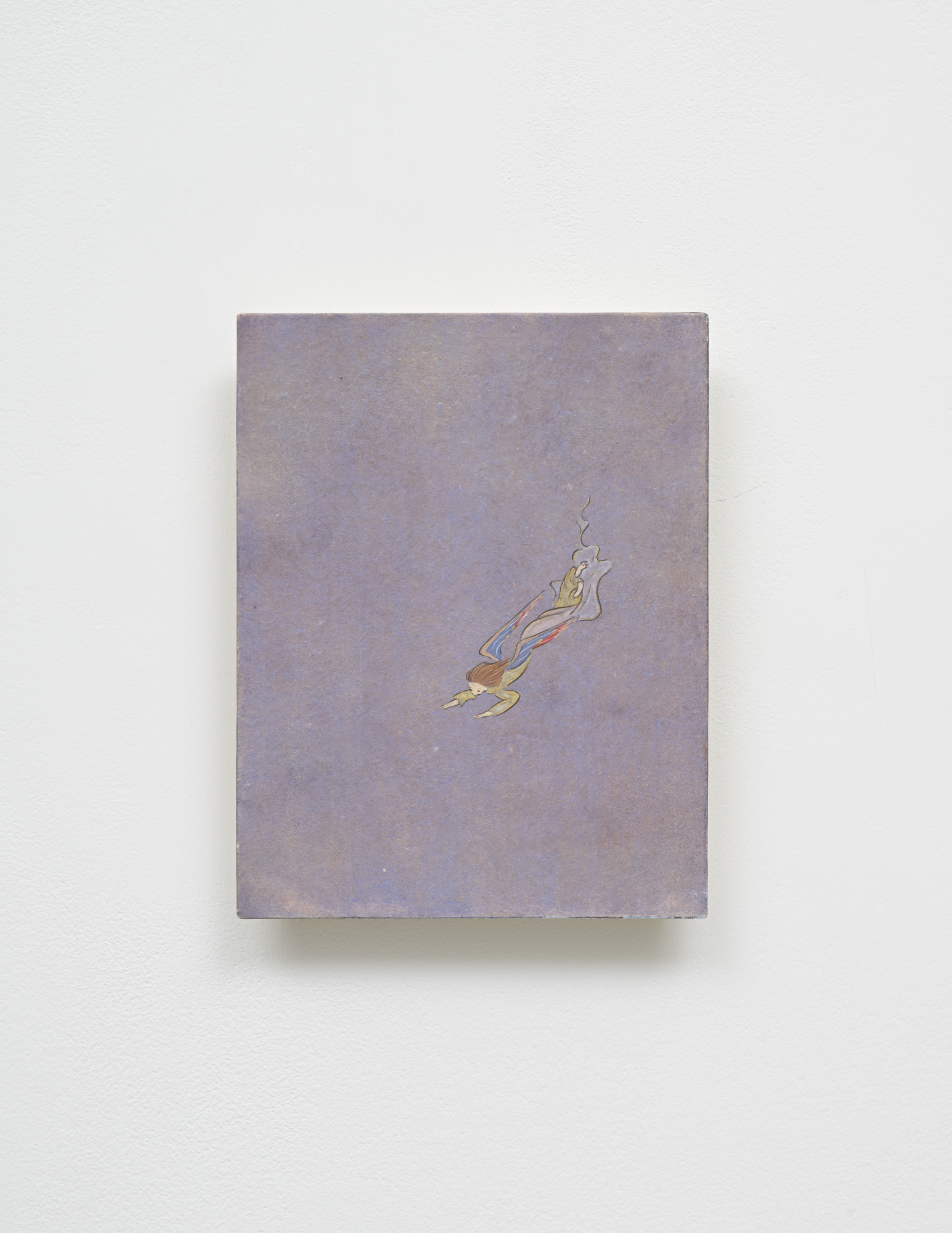
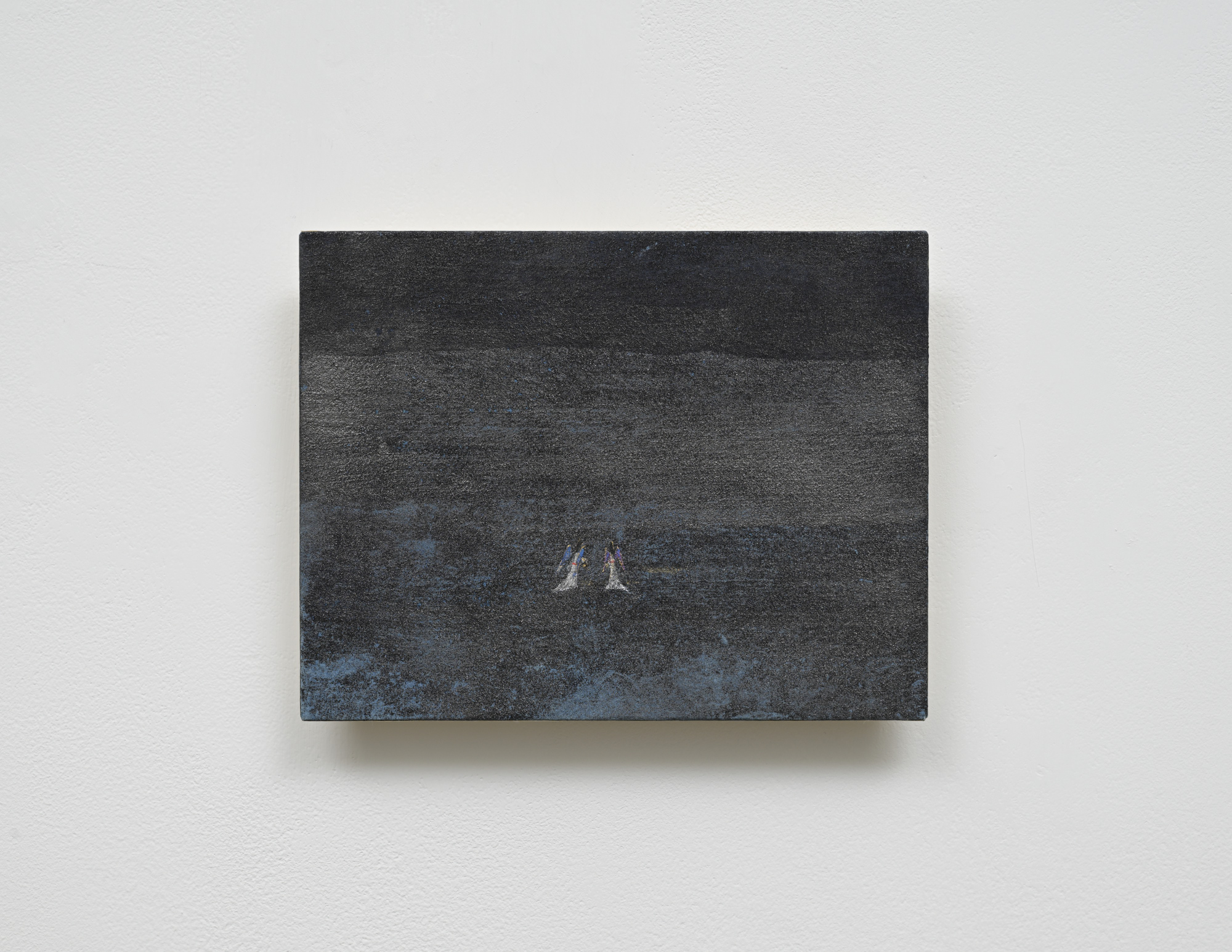
Matsudaira was born in 1989 in Hyogo, and she is currently based in Kyoto. Drawing on the techniques and materials cultivated within the field of Nihonga (Japanese-style painting), Matsudaira creates figurative works centered on the theme of “imagining the other.” Operating on the premise that complete understanding between people is ultimately unattainable, the artist turns her gaze toward the voiceless others hidden within history, folklore, and records. Through compositions in which multiple timelines and perspectives intersect, she explores the potential for encounters and dialogue within painting. While critiquing the conventions of painting—including modern Nihonga and Western linear perspective—from within, Matsudaira reexamines the power and ethics inherent in the very act of painting by incorporating the spatiality and temporality of Sansui (traditional East Asian landscape painting) and calligraphy. Matsudaira’s practice is not merely an act of preserving tradition, but a quiet attempt to dismantle and renew the institutional framework of Nihonga as a medium.
Selected solo exhibitions: Artist Project #2.08 Matsudaira Rina Code and Mode, The Museum of Modern Art, Saitama, 2025; Angels, Wreaths, Centaurs, Takashimaya Stores, Kyoto, Yokohama, Tokyo, 2024; αM project 2023‒2024. Redevelopment of Development Vol. 4 Rina Matsudaira: Three Types of Drawing Instruction Books, the Desire of a Ten-Year-Old, gallery αM, Tokyo, 2024; BANN, KAHO GALLERY, Kyoto, 2023; Habit of Reproduction, ROHM Theatre Kyoto, Kyoto, 2020. Selected group exhibitions: Idemitsu Art Award Artist Selection, The National Art Center, Tokyo, 2024; The “Habitats” of Modern Japanese Paintings, Sen-Oku Hakukokan Museum Tokyo, 2023; Suppose it as your home (reaching), TALION GALLERY, Tokyo, 2022; NIJL Arts Initiative Special Exhibition: Unveiling the bundle of time – Art and translation inspired by classic literature, National Institute of Japanese Literature, Tokyo, 2021; VOCA2015, The Ueno Royal Museum, Tokyo, 2025. Public collections: Takayama City, Gifu, Japan; Kyoto city KYOCERA Museum of Art, Japan.

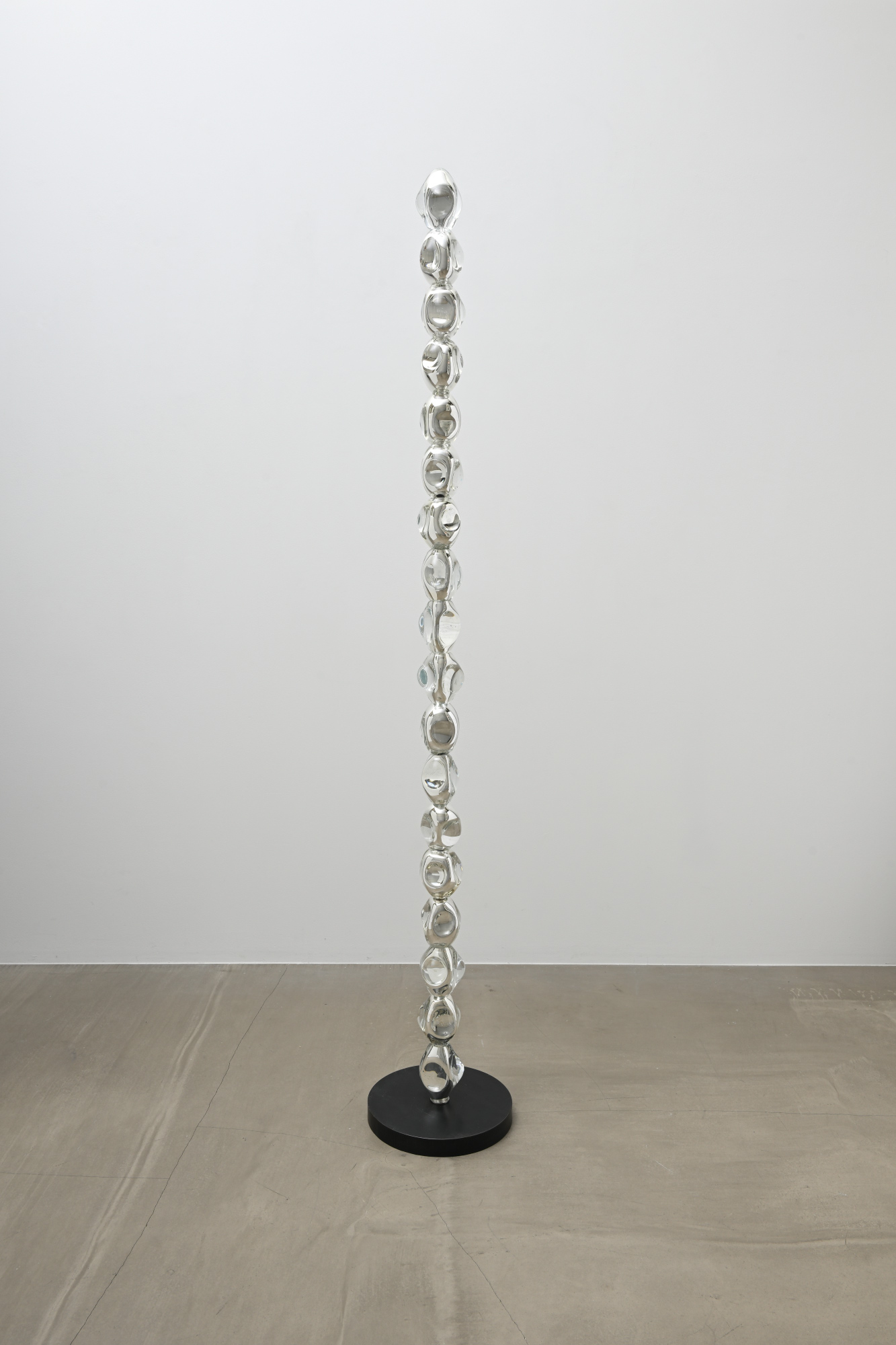
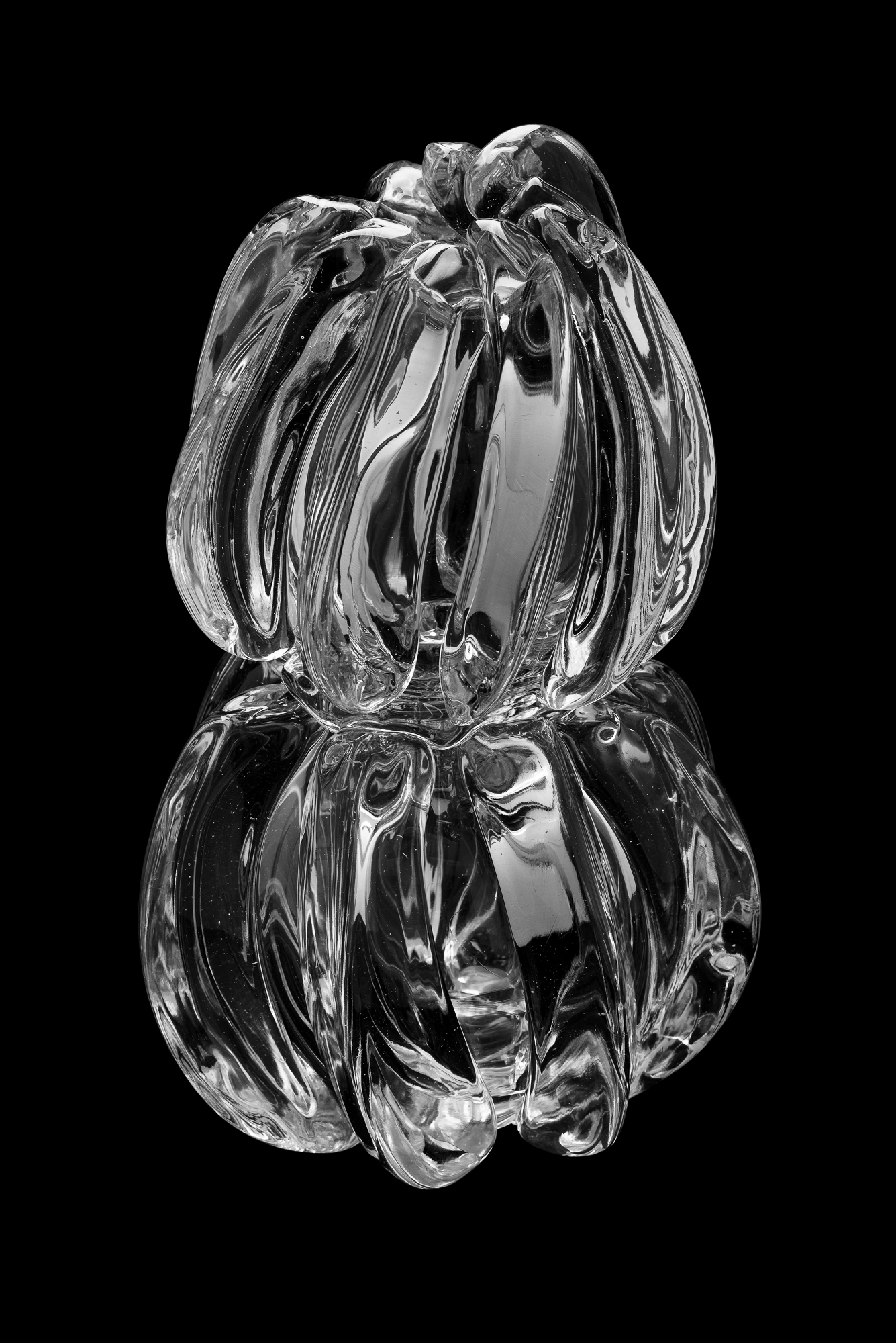
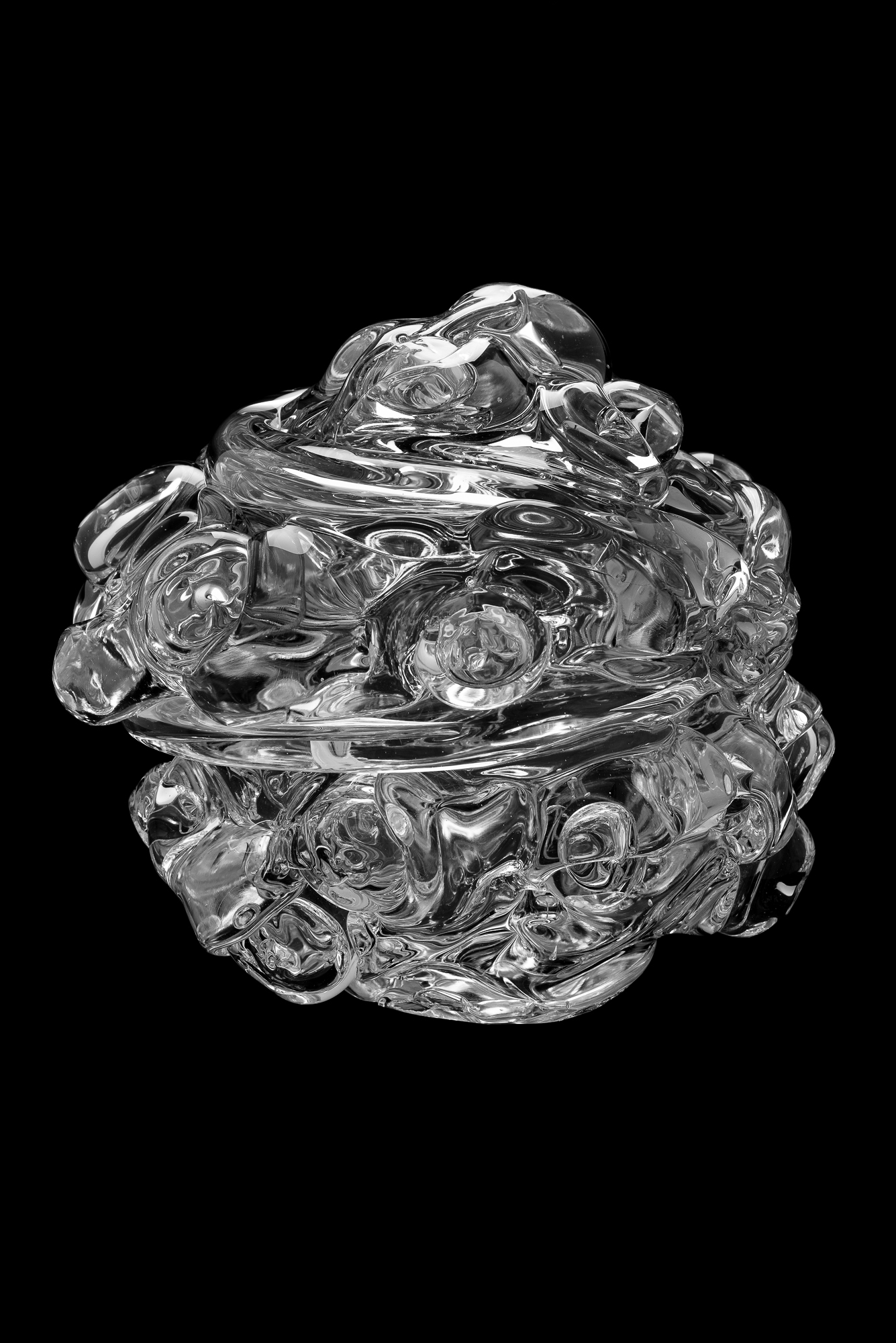
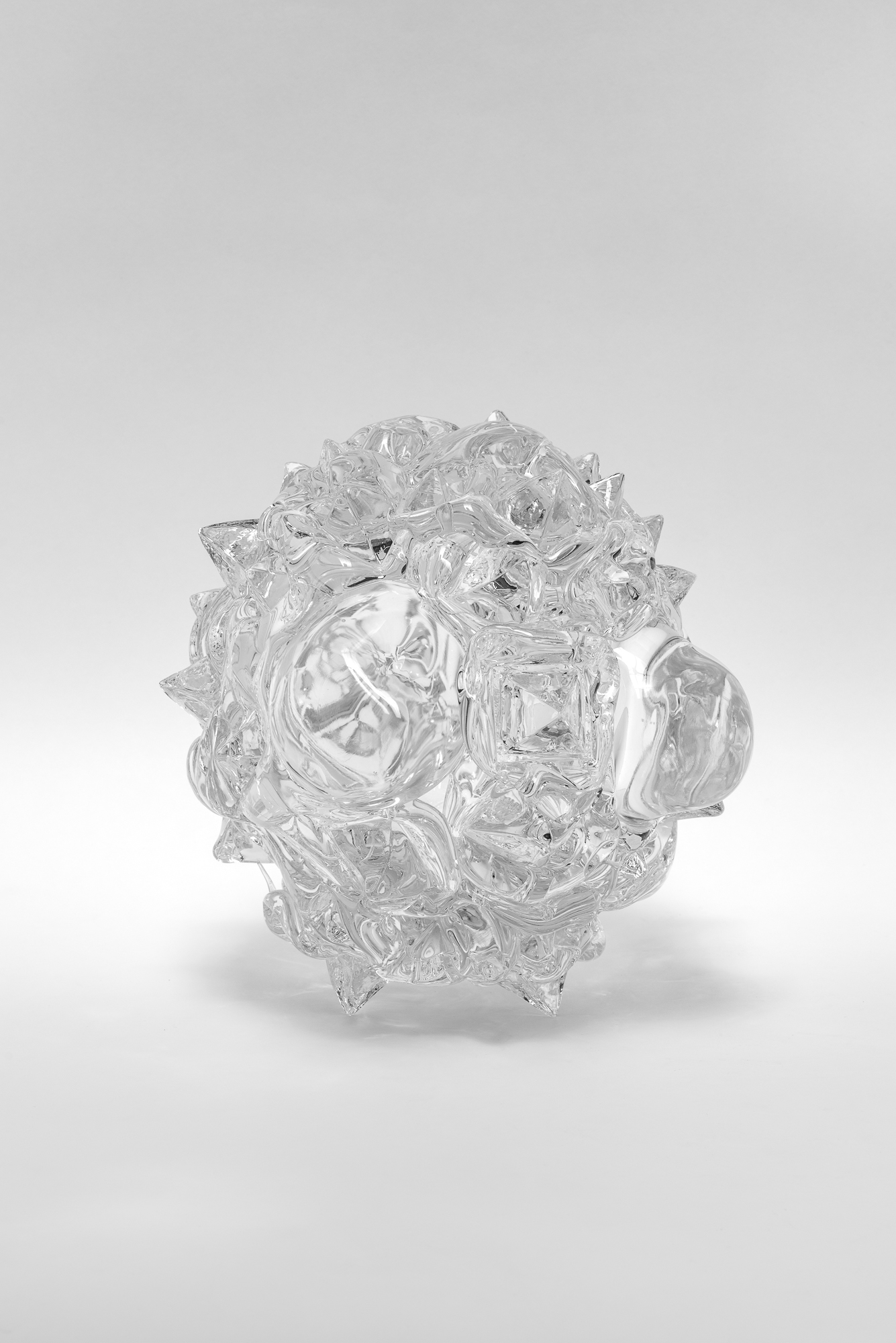
Born in Kyoto, Japan in 1962. Mishima moved to Venice in 1989. Having established a residence in Kyoto in 2011, she lives and works between the two cities. Collaborating with glassmiths on Murano Island, Italy, the artist takes advantage of the translucency and viscosity of Venetian glass in order to create clear glass sculptures, which bear the contours of light while becoming parts of the environments. Since Mishima’s sculptures visualize the energy of the exhibited spaces by absorbing the surrounding air and light, they have received high praise as public artworks as well. Currently the artist is expanding her practice beyond fine art through collaborating with different creative industries such as architecture, fashion and design. Solo exhibition “RITSUE MISHIMA – GLASS WORKS” at the Gallerie dell’Accademia in Venice in 2022, awarded the Fondazione di Venezia award for the best project in the Venice section of The Italian Glass Weeks. The artist also received BVLGARI AVRORA AWARDS 2022.
Selected solo exhibitions: Forms of Light, ShugoArts, Tokyo, 2023; RITSUE MISHIMA ‒ GLASS WORKS, Gallerie dellʼAccademia, Venice, 2022; HALL OF LIGHT, ShugoArts, Tokyo, 2019-2020; In Grimani. Ritsue Mishima Glass Works, Museum of Palazzo Grimani, Venice, 2013; As it should be, Shiseido Gallery, Tokyo, 2011; Frozen garden / Fruits of fire, Museum Boijmans, Rotterdam, 2010. Selected group exhibtions: Wonderment Noe Aoki / Ritsue Mishima, Tokyo Metropolitan Teien Art Museum, Tokyo, 2024; Asia Corridor Contemporary Art Exhibition, Culture City of East Asia 2017 Kyoto, Nijo Castle, Kyoto, 2017; Yokohama Triennale, Yokohama Museum of Art, Kanagawa, 2014; the 53rd International Art Exhibition: Venice Biennale, Venice Pavilion, Venice, 2009

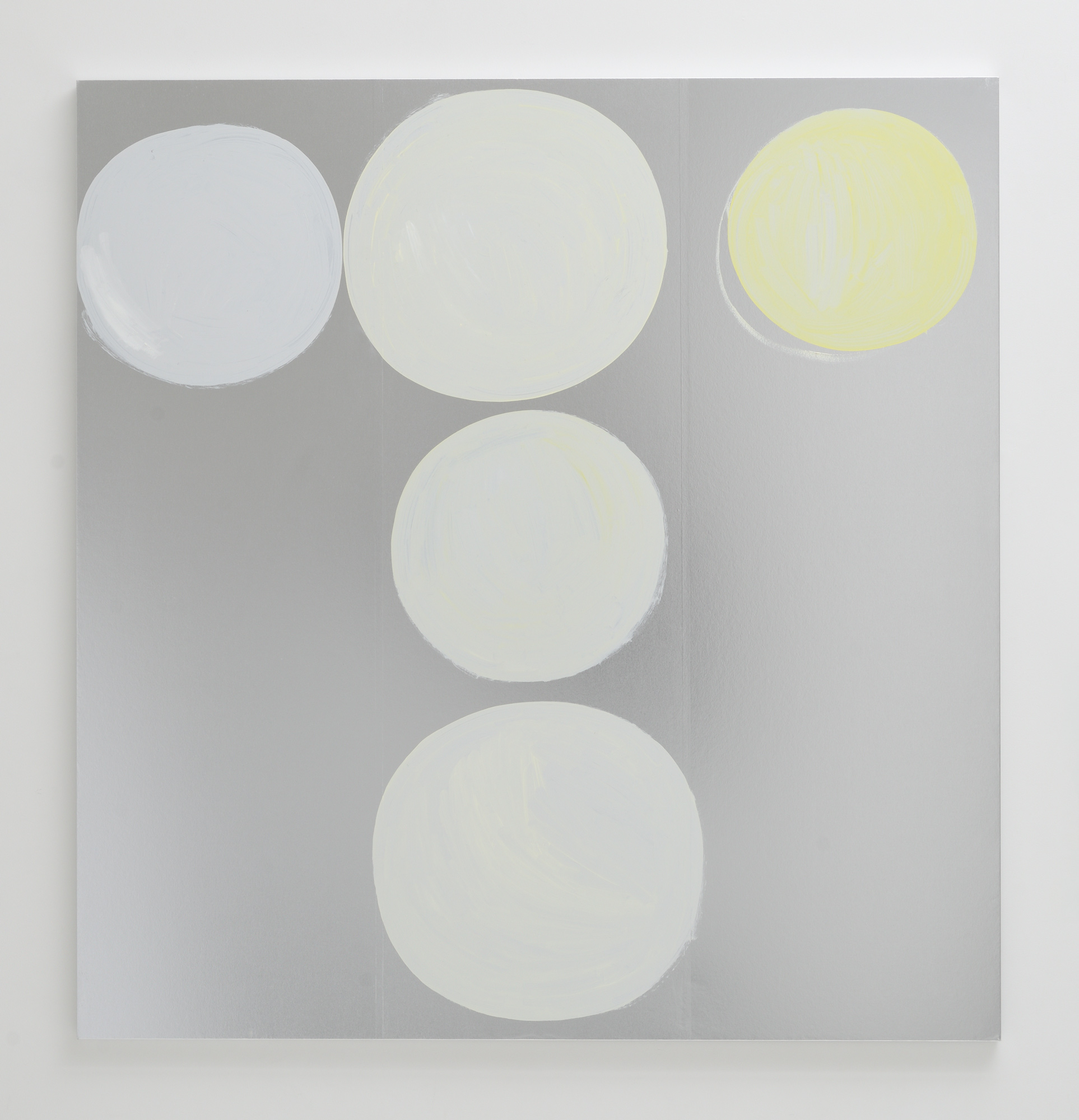
Born in 1989 in Venice, Italy, Anju Michele currently lives in Kyoto, Japan. Using silver and gold evaporated aluminum paper, a material used in Nishijin textiles, as a support, he creates paintings that embody the changing light. Expressed in light and organic forms that are difficult to describe, his practice “begins with the gesture,” showing us that there is a world that is different from the reality we usually see. And Anju’s body, which makes it difficult for him to hear outside sounds, fosters a rich sensory experience and reveals free and fearless brushwork.
Selected exhibitions: Circular Skies, ShugoArts, Tokyo, 2024; Imaginarium, ShugoArts, Tokyo, 2020; VOCA The Vision of Contemporary Art 2020, The Ueno Royal Museum, Tokyo, 2020; Yokohama Triennale, Yokohama Museum of Art , Kanagawa, 2014; About Freedom, TRAUMARIS, Tokyo, 2011; Kagemi of love, HIGURE 17-15cas, Tokyo, 2009; Infanzia, Cube gallery, Venice, 2005

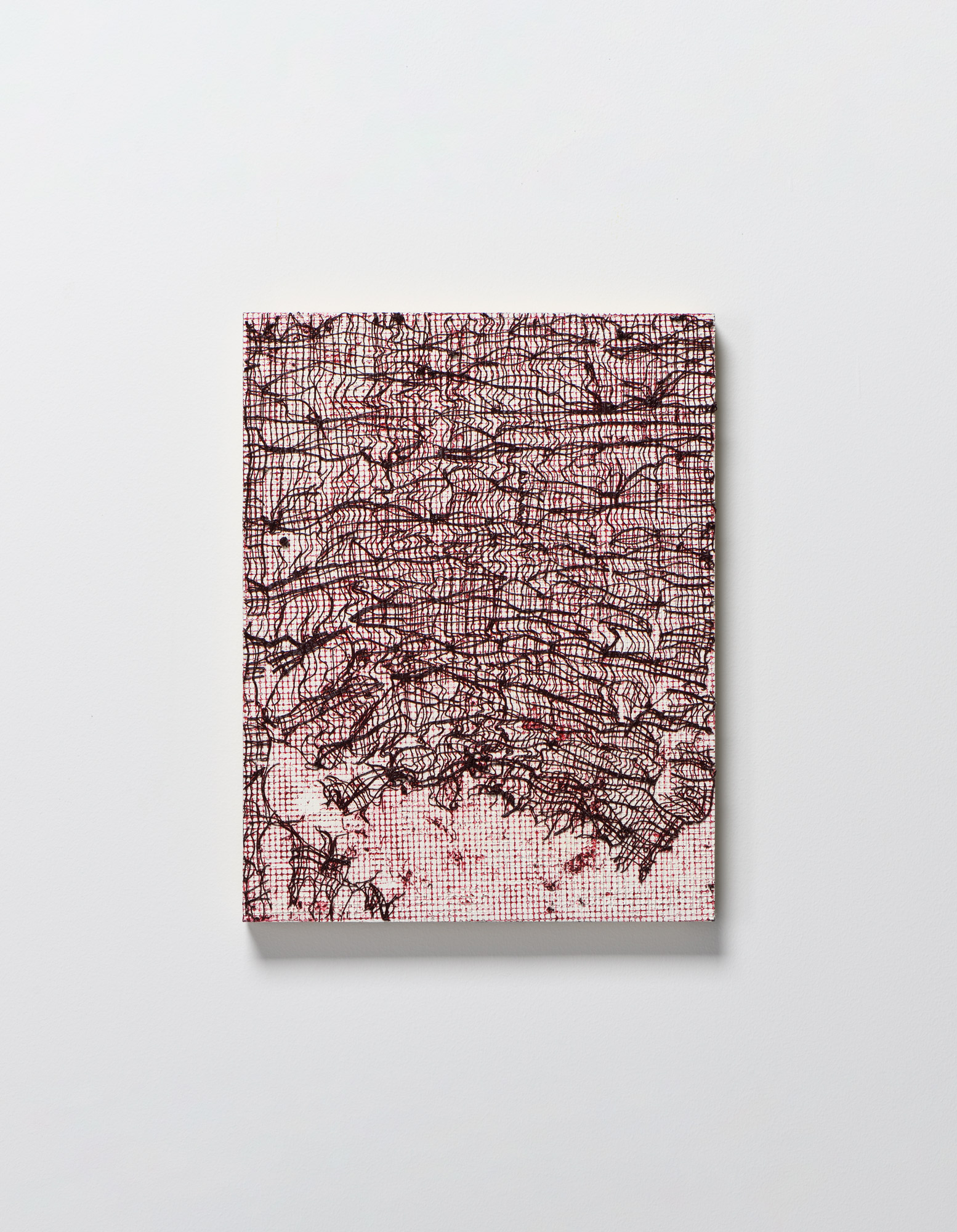
Born in Fukuoka, Japan in 1982, Takabatake currently lives and works in Tokyo and Ibaraki. In 2015, she participated in an artist residency at the Josef and Anni Albers Foundation in Connecticut in order to conduct research on Anni Albers. Through the physical phenomena of her materials, Takabatake has developed two-dimensional painting into an existence with a physical structure. While experiencing firsthand the magnitude of the world through the Lascaux cave murals and the Nazca terrestrial paintings, Takabatake creates her works through dialogue with materials, which encompass physical spaces that cannot be realized solely by painting images.
Solo exhibitions: LINE(N), ShugoArts, Tokyo, 2024; CAVE, ShugoArts, Tokyo, 2022; MARS, Gana Art Nineone, Seoul, 2022; MARS, ShugoArts, Tokyo, 2020; VENUS, Gana Art Hannam, Seoul, 2019; Fountain, ShugoArts, Tokyo, 2018; Bathing, ShugoArts Weekend Gallery, Tokyo, 2016; Project N 58 Yoriko Takabatake, Tokyo Opera City Art Gallery, Tokyo, 2014. Selected group exhibitions: ABSTRACTION: The Genesis and Evolution of Abstract Painting Cézanne, Fauvism, Cubism and on to Today, Artizon Museum, Tokyo, 2023; FUJI TEXTILE WEEK 2021, Fujiyoshida City, Yamanashi, Japan, 2021; TRICK-DIMENSION, TOKYO FRONT LINE, Tokyo, 2013; Art Award Tokyo Marunouchi 2013, Tokyo, 2013; DANDANS at No Man’s Land, former French Embassy, Tokyo, 2010. Public collection: Artizon Museum, Tokyo.